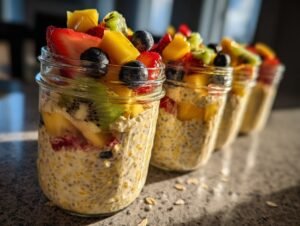
Imagine waking up to the aroma of warm, custardy bread sizzling on the griddle, each bite a perfect blend of fluffy interior and crispy edges. That’s the magic of french toast variations that turn ordinary mornings into something extraordinary. Whether you’re craving classic comfort or a fun twist, french toast variations never fail to deliver that satisfying crunch and melt-in-your-mouth goodness. I’ve perfected this recipe over countless weekend brunches, and it’s become my go-to for impressing family without spending hours in the kitchen.
Table of Contents
What makes these french toast variations so special? It’s the simple custard soak—eggs, milk, vanilla, and a touch of cinnamon—that transforms thick slices of bread into golden perfection. They’re incredibly easy, ready in under 30 minutes, and endlessly customizable for any occasion, from lazy Sundays to holiday gatherings. Pair them with fresh berries or nuts, and you’ve got a dish that’s both nostalgic and elevated. French toast variations shine because they adapt to what you have on hand, making them foolproof for busy home cooks.
In this post, I’ll walk you through my favorite base recipe for french toast variations, packed with tips to make yours restaurant-quality. From selecting the right bread to mastering the cook, you’ll nail it every time. These aren’t just any french toast variations; they’re the kind that leave everyone asking for seconds. Get ready to elevate your breakfast game with flavors that burst with warmth and sweetness.
Ingredients for French Toast Variations
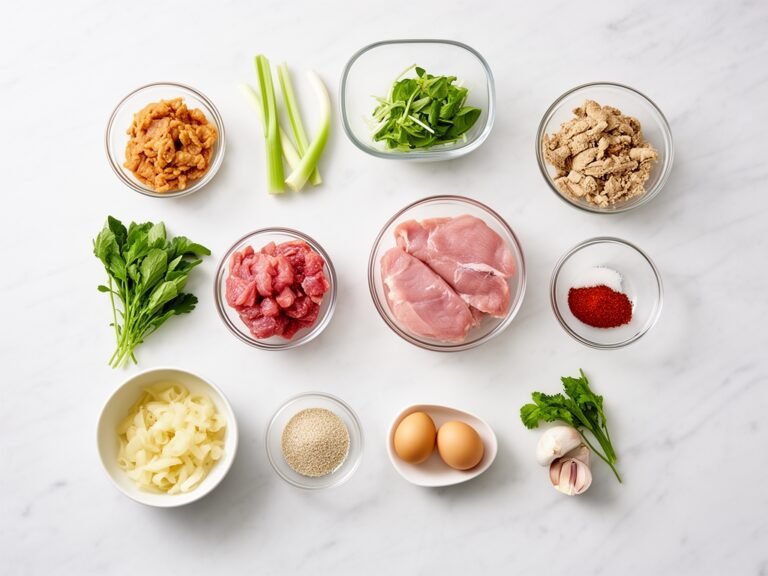
Choosing the right ingredients is key to standout french toast variations. Start with thick, sturdy bread like brioche or challah—it holds up to the custard without turning mushy, giving you that ideal crisp exterior and soft center. Fresh eggs provide richness, while whole milk adds creaminess without heaviness. A dash of cinnamon and vanilla extract infuses cozy flavor, making every bite of these french toast variations irresistible.
These ingredients work in harmony for french toast variations because they’re balanced: the eggs bind everything, milk tempers the richness, and spices elevate the taste. Opt for day-old bread if possible; it absorbs the custard better, preventing sogginess. This selection keeps things simple yet luxurious, perfect for quick mornings or special brunches.
For the Custard (makes 8 slices):
– 4 large eggs
– 1 cup whole milk
– 2 tablespoons heavy cream (for extra richness)
– 1 teaspoon vanilla extract
– 1/2 teaspoon ground cinnamon
– Pinch of salt
Bread and Cooking:
– 8 thick slices (1-inch) brioche or challah bread (day-old preferred)
– 4 tablespoons unsalted butter, divided
– 2 tablespoons vegetable oil, divided (for high-heat cooking)
Substitution Notes: Swap brioche for Texas toast if unavailable—it’s hearty and works great in french toast variations. Use almond milk for a lighter option, but whisk vigorously for smoothness. No heavy cream? Whole milk alone is fine. For nut-free, skip any toppings with nuts.
Shopping Tips: Look for bakery-fresh brioche in the bread aisle; it stays soft yet slices thickly. Buy eggs in the largest size for better custard volume. Ground cinnamon from the spice aisle ensures even flavor—freshly grate nutmeg as a bonus twist.
Equipment Needed
For flawless french toast variations, you’ll need tools that ensure even cooking and easy cleanup. A wide nonstick skillet or griddle distributes heat perfectly, preventing sticking and promoting that golden crust. A large shallow bowl for the custard makes dipping effortless, while a whisk incorporates air for a lighter soak.
A spatula with a thin edge flips slices without tearing, preserving the custard’s seal. These basics keep your french toast variations stress-free and professional-looking every time.
– Nonstick skillet or electric griddle
– Large shallow bowl (for custard)
– Whisk
– Thin metal spatula
– Measuring cups and spoons
– Tongs (optional for easy handling)
Prep Time & Cook Time
Prep Time: 10 minutes
Cook Time: 15 minutes
Total Time: 25 minutes
Servings: 4 (2 slices each)
Difficulty: Easy
Timing is everything for french toast variations—quick prep means more time enjoying the results. Soak bread no longer than 30 seconds per side to avoid sogginess, and cook over medium heat for even browning. This schedule fits rushed mornings while delivering hot, fresh french toast variations straight from the pan.
Step-by-Step Instructions for French Toast Toppings
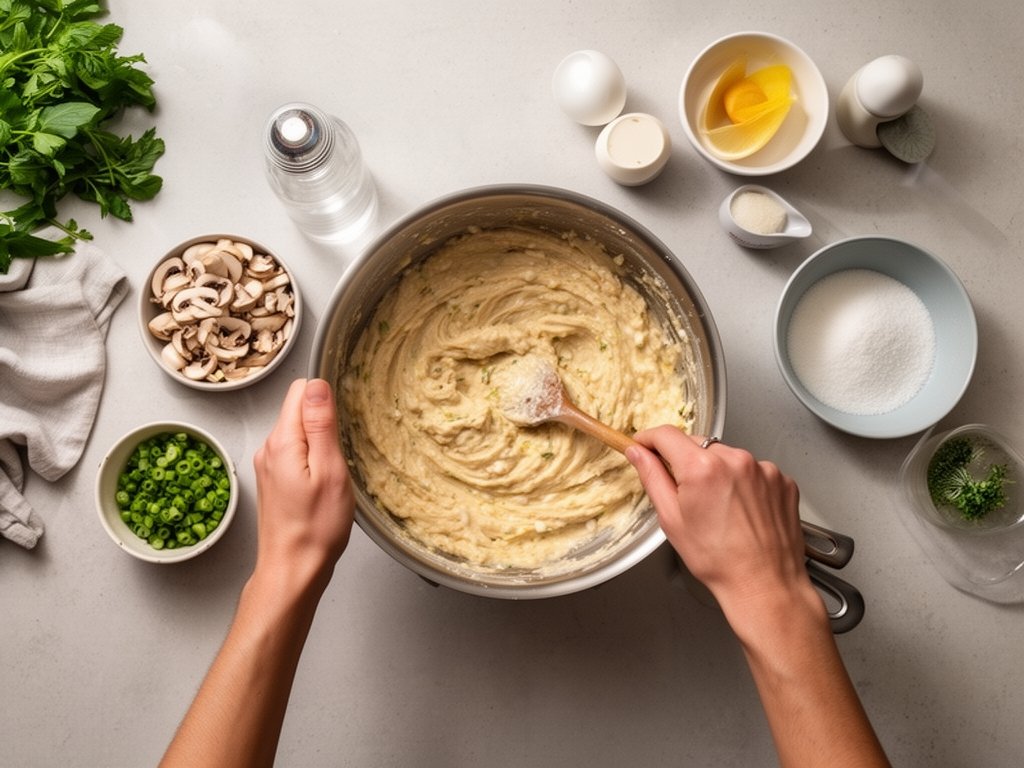
Mastering french toast variations starts with a silky custard that coats the bread just right. These steps ensure crispy edges and custardy centers, with room for your favorite french toast toppings like fresh fruit or syrup. Patience on the heat is key—rushing leads to raw insides. Follow along for foolproof results every time, incorporating related twists like fruit compotes for extra flair.
1. In a large shallow bowl, crack the 4 eggs and whisk vigorously for 30-45 seconds until frothy. This incorporates air, making the custard light and helping french toast variations puff up beautifully during cooking. Add the milk, heavy cream, vanilla, cinnamon, and salt—whisk another 20 seconds until fully blended and smooth. No lumps means even flavor in every slice.
2. Arrange your 8 thick brioche slices on a baking sheet or plate nearby. This prep keeps your workspace organized. For french toast variations, choose slices uniform in thickness—about 1 inch—to cook evenly. If bread is very fresh, lightly toast first for better absorption without falling apart.
3. Heat 1 tablespoon butter and 1 tablespoon oil in a nonstick skillet over medium heat for 1-2 minutes. Swirl to coat evenly—the combo prevents burning while achieving that golden crust on french toast variations. Test heat by flicking water; it should sizzle immediately.
4. Dip one bread slice into the custard for 20-30 seconds per side, letting excess drip off. Press gently to absorb fully—this timing is crucial for french toast variations, ensuring flavor without sogginess. Place in the hot skillet immediately.
5. Cook the first slice for 2-3 minutes per side, until deep golden brown. Use a thin spatula to flip gently midway—don’t press down, or you’ll squeeze out the custard. Repeat for second side. Remove to a warm plate tented with foil. This keeps french toast variations hot while you cook the rest.
6. Wipe skillet lightly if needed, then add another tablespoon each of butter and oil. Repeat dipping and cooking process for remaining slices in batches of 2-3. Medium heat maintains consistency across all french toast variations—too high burns the outside.
7. For enhanced french toast variations, sprinkle a pinch of cinnamon sugar on the uncooked top side just before flipping. It caramelizes slightly, adding crunch. Monitor timing closely; total cook time per batch is about 5 minutes.
8. Stack cooked slices on a serving platter. If making ahead, hold in a 200°F oven for up to 10 minutes. This french toast topping prep pairs perfectly with warm maple syrup or fresh berries for that restaurant vibe.
9. While cooking, prepare any french toast toppings—slice bananas or whip cream. These related elements elevate basic french toast variations into brunch stars.
10. Serve immediately with butter pats melting on top. Total steps yield perfect french toast variations ready for customization.
11. Pro tip: For stuffed french toast variations, spread cream cheese between two slices before dipping—cook as usual for a gooey center.
12. Clean up by soaking the bowl right away; custard washes off easily. Enjoy your masterful batch!
Nutritional Information
This recipe for french toast variations packs balanced nutrition, offering protein from eggs to keep you full longer. Each serving delivers about 12g protein, supporting muscle repair, while milk and cream provide calcium for bone health. Carbs from bread fuel your morning energy steadily.
Vitamins shine here too—cinnamon offers antioxidants, and if you add berries as french toast toppings, you boost vitamin C for immunity. Whole ingredients make these french toast variations a smart indulgence, not empty calories. Fats are healthy from butter, aiding absorption of fat-soluble vitamins.
Moderate at around 350 calories per serving (2 slices plain), it’s customizable. Add nuts for fiber, keeping blood sugar stable. These french toast variations fit active lifestyles with 45g carbs, 15g fat, and minimal added sugar.
Per Serving (2 slices, plain):
Calories: 350 | Protein: 12g | Carbs: 45g | Fat: 15g | Fiber: 2g | Sugar: 8g | Sodium: 300mg
Serving Suggestions & Variations
Dust finished french toast variations with powdered sugar and drizzle warm maple syrup for classic appeal. Pair with scrambled eggs and fresh orange slices for a complete brunch—bright citrus cuts the richness perfectly.
For seasonal twists, top summer french toast variations with macerated strawberries and whipped cream. In fall, add sautéed apples with cinnamon—these french toast toppings create cozy layers. Serve alongside yogurt parfaits for lightness.
Try baking french toast variations in a casserole dish overnight: layer soaked bread, bake at 350°F for 30 minutes. This crowd-pleaser frees you for hosting. Grill outdoors for smoky notes, swapping oil for spray.
Swap bread for croissants in french toast variations, stuffing with blueberries pre-soak. These ideas keep things fresh, with endless french toast toppings like chopped pecans or chocolate shavings.
Expert Tips & Tricks for French Toast Variations
Unlock pro-level french toast variations with these insider secrets. From bread choice to perfect soak times, small tweaks yield big flavor payoffs. Mastering these ensures golden, custardy results every time.
1. Use day-old bread for french toast variations—it absorbs custard without disintegrating. Fresh bread gets gummy; stale slices hold structure, leading to crispier edges and fluffier insides after 24 hours exposed to air.
2. Whisk custard until frothy for airier french toast variations. Bubbles expand in the pan, creating light texture. Add a tablespoon of flour if you want even more lift, mimicking bakery-style puffs.
3. Medium-low heat is your friend in french toast variations—patient cooking prevents burning while fully setting the custard. If edges brown too fast, your pan’s too hot; adjust and watch for even gold.
4. Double-dip for stuffed french toast variations: spread Nutella inside, dip, cook halfway, then dip again. This seals fillings without leaking, giving gooey centers and double flavor.
5. Infuse milk overnight with cinnamon sticks for deeper taste in french toast variations. Strain before mixing—no gritty bits, just pure spice essence that elevates every bite.
6. Rest cooked slices 1 minute before serving in french toast variations. This lets steam escape, firming the crust while keeping insides moist. Tent with foil to maintain warmth.
7. For savory french toast variations, swap cinnamon for herbs like thyme and top with cheese. Soak briefly to avoid sogginess, pairing with eggs for brunch innovation.
8. Freeze extra custard in ice cube trays for quick french toast variations batches. Thaw and whisk—no waste, always ready for spontaneous mornings.
9. Brush with melted butter post-cook for shine on french toast variations. It adds gloss and flavor without greasiness, impressing at tables.
Common Mistakes to Avoid
Over-soaking bread is a top error in french toast variations—slices turn mushy. Limit to 20-30 seconds per side; excess liquid steams instead of fries. Solution: use thick bread and blot gently after dipping.
High heat burns french toast variations outside while leaving centers raw. Start medium, adjust down—patient cooking sets custard evenly. Use a thermometer if unsure; aim for 325°F pan temp.
Skipping oil with butter leads to smoking in french toast variations. Butter browns fast; oil raises smoke point for clean cooking. Equal parts ensure crispiness without char.
Not whisking eggs thoroughly creates watery custard for french toast variations. Vigorous 1-minute whisk emulsifies for creaminess. Test: it should coat a spoon thickly.
Crowding the pan steams french toast variations instead of crisping. Cook in batches with space; heat recovers between. Results: perfect browning every slice.
Ignoring bread type dooms french toast variations—thin white bread falls apart. Choose sturdy brioche; test by pressing—it should spring back. Day-old is ideal.
Forgetting to preheat fully leads to sticking in french toast variations. Give skillet 2 full minutes; sizzle test water drops. Nonstick spray adds insurance.
Storage & Reheating Instructions
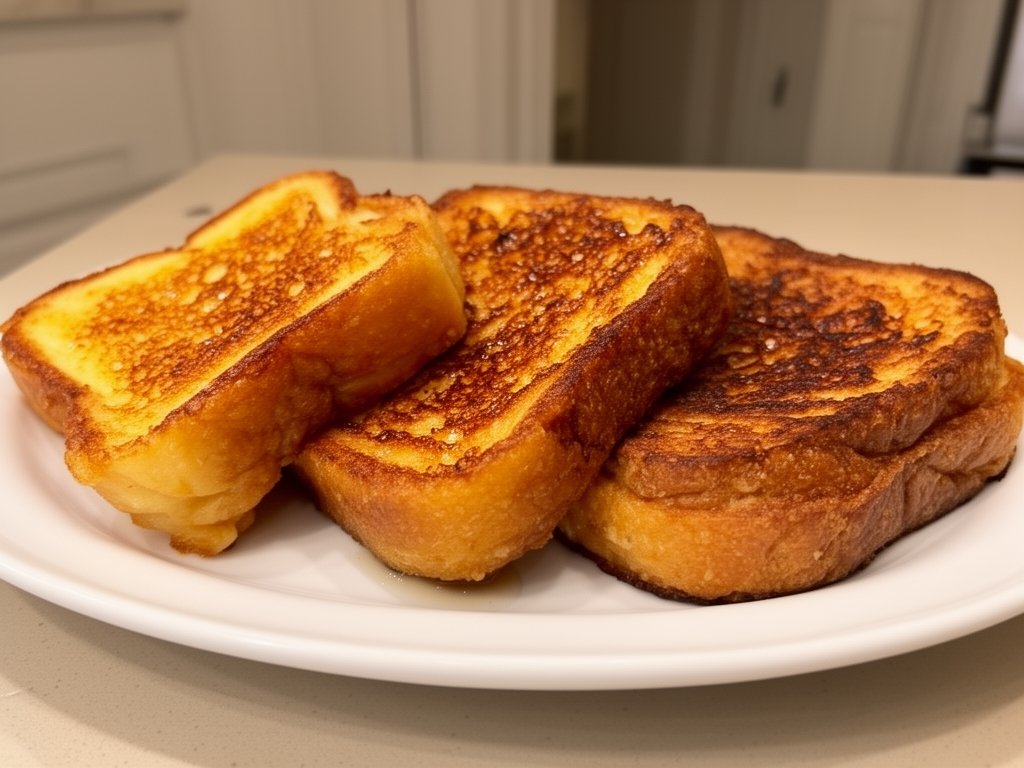
Store leftover french toast variations in an airtight container lined with parchment—they keep their texture up to 3 days in the fridge. Cool completely first to avoid sogginess; stack with paper towels absorbing moisture.
For longer storage, freeze french toast variations individually on a sheet, then bag for up to 2 months. Label with date—thaw overnight for best results, preserving crispiness.
Reheat in a toaster oven at 350°F for 3-5 minutes, flipping halfway—this revives crust without microwave mush. Skillet method: medium heat with butter pat, 1-2 minutes per side for fresh-like french toast variations.
Food safety first: refrigerate within 2 hours of cooking. Reheat to 165°F internal temp. Avoid room temp storage over 2 hours to prevent bacterial growth in these egg-based french toast variations.
Conclusion
French toast variations like this one are a game-changer for effortless, delicious mornings that feel indulgent. With crispy outsides, custardy centers, and endless customization via french toast toppings, it’s hard not to love. Perfect for solo treats or family feasts, this recipe delivers joy bite after bite.
Try these french toast variations this weekend—you’ll wonder why you waited. Whip up a batch, experiment with seasonal fruits, and share your twists. Happy cooking!
FAQs
Can I make french toast variations ahead for a crowd?
Yes! Prepare the custard and slice bread night before. Soak and cook morning-of, or assemble a casserole version: layer in a dish, refrigerate overnight, bake at 350°F for 25 minutes. Keeps french toast variations moist and feeds 8 easily. Top with fresh berries post-bake.
What bread is best for french toast variations?
Brioche or challah tops the list for french toast variations—their buttery richness holds custard perfectly. Texas toast works for thickness; avoid sandwich bread. Day-old prevents sogginess, ensuring crisp french toast variations every time.
How do I achieve extra crispy french toast variations?
Pat dipped slices lightly to remove excess, cook in butter-oil mix over medium heat, and avoid flipping too soon. A sprinkle of sugar before second side caramelizes for crunch in french toast variations. Air fryer at 375°F for 4 minutes per side amps it up too.
Are there vegan options for french toast variations?
Swap eggs for flax “eggs” (1 tbsp ground flax + 3 tbsp water per egg), use plant milk. Soak longer for binding. These french toast variations stay fluffy; top with coconut yogurt and fruits for creaminess without dairy.
How long do french toast variations last in the fridge?
Up to 3 days in an airtight container. Reheat in skillet for crispness. For best french toast variations texture, eat within 24 hours—custard firms slightly but revives well.
What are great french toast toppings for kids?
Bananas, chocolate chips, and whipped cream win for fun french toast toppings. Mash banana into custard for natural sweetness in french toast variations. Nut butters add protein without mess.
Can I freeze french toast variations?
Absolutely—cool, freeze flat on a sheet, then bag. Thaw and reheat at 350°F oven 5-7 minutes. Perfect for meal prep french toast variations, maintaining flavor and texture up to 2 months.
Why is my french toast variations soggy?
Usually over-soaking or low heat. Dip briefly (20 seconds), use stale bread, medium-high pan. Dry slices post-dip for non-soggy french toast variations that impress.
How to scale french toast variations for 2 or 6 people?
Halve everything for 2 (2 eggs, 1/2 cup milk). Double for 6, using larger skillet. Custard scales perfectly; cook in batches to avoid steaming your french toast variations.