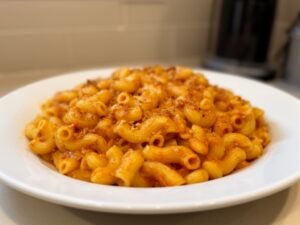
Have you ever stood in your kitchen at five o’clock, wondering how you’ll get a delicious, home-cooked dinner on the table without spending hours cooking and cleaning? Sheet pan chicken meals are your answer to this common dilemma. These incredible sheet pan chicken meals transform ordinary weeknight cooking into something special, requiring minimal effort and maximum flavor. Whether you’re feeding a family of four or meal prepping for the week ahead, sheet pan chicken meals deliver restaurant-quality results in under an hour.
Table of Contents
What makes sheet pan chicken meals so appealing is their beautiful simplicity. You arrange your ingredients on a single pan, slide it into the oven, and dinner practically cooks itself. No complicated techniques, no multiple pots and pans cluttering your stovetop, and best of all, cleanup becomes a breeze. This cooking method allows chicken to stay incredibly juicy while vegetables roast to golden perfection, all infused with the same delicious seasonings.
These one pan chicken dinners have become my go-to solution for hectic evenings. The beauty of one pan chicken dinners lies in their versatility and reliability. From Mediterranean-inspired combinations to creamy comfort food versions, the possibilities are endless. Each recipe adapts beautifully to whatever vegetables you have on hand and whatever flavors your family craves.
I’ve discovered that mastering sheet pan chicken meals transforms how you approach weeknight cooking. The technique is so forgiving that even novice cooks achieve impressive results consistently. Your family will think you’ve spent all afternoon in the kitchen when really you’ve invested just fifteen minutes of prep work.
Ingredients for Sheet Pan Chicken Meals
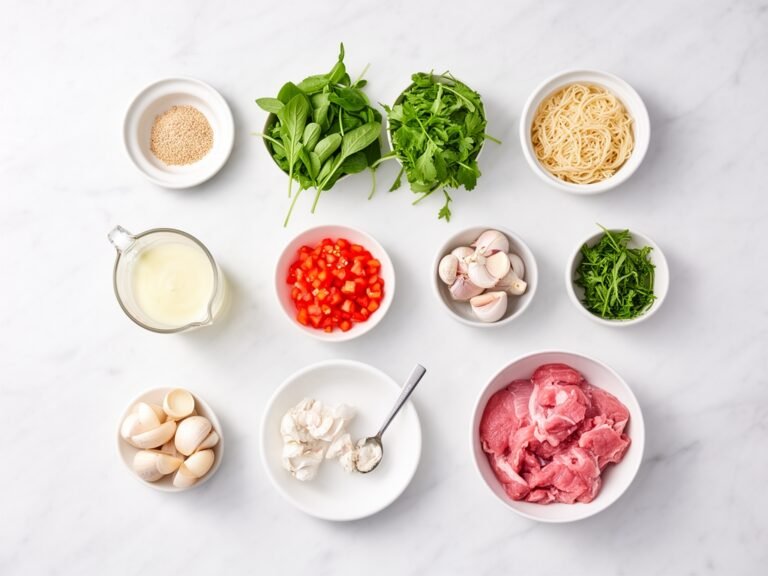
Creating exceptional sheet pan chicken meals starts with understanding how ingredients work together on a single pan. The key to success lies in selecting components with similar cooking times and complementary flavors. When you’re preparing one pan chicken dinners, ingredient selection becomes even more critical since everything cooks simultaneously. I’ve learned through countless experiments that the quality of your base ingredients directly impacts the final dish’s success.
Choosing the right chicken is absolutely essential for these sheet pan chicken meals. Boneless, skinless chicken breasts work beautifully for most recipes, though chicken thighs offer more juiciness and forgiving cooking times. For one pan chicken dinners, I recommend pounding chicken breasts to uniform thickness, ensuring even cooking throughout. This simple step prevents dry outer edges and undercooked centers, a common frustration with sheet pan cooking.
Your vegetable selection should focus on produce that roasts well and complements chicken beautifully. Baby potatoes, broccoli florets, bell peppers, red onions, zucchini, and green beans are all excellent choices. These vegetables develop caramelized edges while maintaining tender interiors, creating textural contrast that makes every bite interesting. Consider the cooking times when combining vegetables; if using slower-cooking potatoes, cut them smaller than faster-cooking broccoli.
Ingredients List
For the Chicken:
– 1.5 pounds boneless, skinless chicken breasts, pounded to even thickness
– 3 tablespoons extra virgin olive oil, divided
– 3 cloves garlic, minced
– 1.5 teaspoons Italian seasoning
– 1 teaspoon paprika
– 1 teaspoon kosher salt
– ½ teaspoon ground black pepper
– ½ teaspoon onion powder
– ½ teaspoon garlic powder
For the Vegetables:
– 1 pound baby potatoes, halved or quartered
– 3 cups fresh broccoli florets
– 1 large red bell pepper, cut into 1-inch pieces
– 1 medium red onion, cut into 1-inch pieces
– 2 cups fresh green beans, trimmed
– 1 lemon, zested and juiced
– 2 tablespoons fresh parsley, chopped
– Pinch of red pepper flakes (optional)
For the Creamy Variation:
– 10 ounces cream of chicken soup
– ¼ cup grated Parmesan cheese
– 2 tablespoons fresh parsley, finely chopped
– 2 teaspoons minced fresh garlic
Shopping Tips and Substitutions:
When shopping for sheet pan chicken meals, select chicken that feels firm and smells fresh. Look for potatoes that are similar in size to ensure even cooking. If fresh broccoli isn’t available, frozen broccoli florets work wonderfully in one pan chicken dinners, though add them partway through cooking to prevent mushiness. Fresh vegetables always deliver superior flavor compared to frozen, but frozen options provide convenient, budget-friendly alternatives.
For vegetable substitutions, Brussels sprouts offer a delicious alternative to broccoli, bringing nutty, caramelized flavors. Asparagus, carrots, and zucchini all work beautifully in these recipes. If you prefer milder flavors, reduce garlic and paprika quantities. For spice lovers, increase red pepper flakes or add cayenne pepper. The beauty of sheet pan chicken meals is their adaptability to personal preferences and dietary needs.
Equipment Needed
Creating perfect one pan chicken dinners requires specific equipment that ensures even cooking and easy cleanup. A quality rimmed sheet pan becomes your most important tool, as it prevents juices from running onto your oven floor while allowing proper air circulation around ingredients. I recommend investing in a heavy-duty, commercial-grade sheet pan that distributes heat evenly and won’t warp under high temperatures. Parchment paper or aluminum foil simplifies cleanup dramatically, making the post-dinner routine almost painless.
An instant-read meat thermometer proves invaluable for sheet pan chicken meals, ensuring chicken reaches the safe internal temperature of 165°F without overcooking. This small investment eliminates guesswork and guarantees perfectly cooked chicken every single time. Additional helpful equipment includes a large mixing bowl for combining ingredients, sharp knives for precise vegetable cutting, measuring spoons and cups for accurate seasoning, and a sturdy spatula for tossing ingredients during cooking.
Equipment List
– One 13″ x 18″ rimmed sheet pan (or similar size)
– Parchment paper or aluminum foil
– Large mixing bowl
– Small mixing bowl for dressing
– Sharp chef’s knife and cutting board
– Instant-read meat thermometer
– Measuring spoons and cups
– Sturdy silicone or metal spatula
– Oven mitts or kitchen towels
– Optional: food processor for mincing garlic
Prep Time & Cook Time
Prep Time: 15 minutes
Cook Time: 30-35 minutes
Total Time: 45-50 minutes
Servings: 4 people
Difficulty Level: Easy to Intermediate
Timing is everything when preparing sheet pan chicken meals for weeknight dinners. The beauty of this cooking method is that most of your time investment happens before the oven turns on. Once ingredients hit the hot sheet pan, you’re essentially done with active cooking. I’ve found that setting a timer and checking on your meal at the twenty-minute mark prevents overcooking. If you’re new to one pan chicken dinners, give yourself an extra five minutes for prep work as you become familiar with cutting techniques and ingredient organization.
Step-by-Step Instructions for One Pan Chicken Dinners
Creating restaurant-quality one pan chicken dinners follows a straightforward process that becomes second nature after your first attempt. The key to success lies in proper preparation and understanding how different ingredients interact during roasting. I’ve refined this technique through numerous experiments, learning which steps truly matter and which are simply nice-to-haves. These detailed instructions will guide you through creating a perfectly balanced meal where chicken stays juicy, vegetables caramelize beautifully, and flavors meld harmoniously.
Step 1: Preheat Your Oven and Prepare Your Pan
Begin by preheating your oven to 425°F, allowing it to reach full temperature before adding your sheet pan. This high heat creates the perfect environment for achieving golden, caramelized vegetables while keeping chicken moist. Line your rimmed sheet pan with parchment paper or aluminum foil, making cleanup infinitely easier. If using foil, lightly coat it with non-stick spray to prevent sticking. Position your oven rack in the center, ensuring adequate space above for air circulation. This preparation step, though simple, establishes the foundation for success in your sheet pan chicken meals.
Step 2: Prepare Your Chicken
Pat your chicken breasts dry with paper towels, removing excess moisture that prevents browning. Pound chicken to uniform thickness, approximately ¾ inch, ensuring even cooking throughout. Uneven chicken pieces cook inconsistently, with thin sections becoming dry while thick sections remain undercooked. Place pounded chicken on your prepared sheet pan, arranging pieces so they don’t touch. Proper spacing allows heat to circulate around each piece, promoting even cooking and browning. This attention to detail separates mediocre one pan chicken dinners from truly exceptional ones.
Step 3: Prepare Your Vegetables
While your oven preheats, prepare all vegetables according to the ingredient list. Cut potatoes into uniform, bite-sized pieces so they cook evenly alongside chicken. Cut bell peppers and onions into 1-inch pieces, maintaining consistency for even roasting. Trim green beans and cut them into 2-inch lengths if they’re particularly long. Cut broccoli into medium florets, ensuring they’re not too small or they’ll overcook and become mushy. Consistent vegetable sizing is absolutely crucial for successful sheet pan chicken meals, as it prevents some vegetables from burning while others remain undercooked.
Step 4: Create Your Seasoning Mixture
In a small bowl, combine all dried seasonings including Italian seasoning, paprika, kosher salt, ground black pepper, onion powder, and garlic powder. Add minced fresh garlic to this mixture, creating an aromatic paste that distributes seasoning evenly. Whisk in 2 tablespoons of extra virgin olive oil, creating a flavorful coating that helps seasonings adhere to chicken and vegetables. This concentrated seasoning mixture ensures every bite of your one pan chicken dinners delivers consistent, delicious flavor without requiring multiple seasoning steps.
Step 5: Season and Arrange the Chicken
Rub the seasoning mixture generously over both sides of your prepared chicken breasts, ensuring thorough coverage. Don’t be shy with seasoning; this is your opportunity to build flavor that will shine throughout cooking. Arrange seasoned chicken pieces on your prepared sheet pan, leaving space between each piece. The chicken should occupy roughly the center third of your pan, leaving room for vegetables on either side. Drizzle any remaining seasoning mixture over the chicken, maximizing flavor development. This arrangement strategy allows you to add vegetables at different times based on their cooking requirements, perfecting your sheet pan chicken meals.
Step 6: Prepare Slower-Cooking Vegetables
Arrange your slower-cooking vegetables, primarily potatoes, on one side of the sheet pan. Toss potatoes with 1 tablespoon of olive oil and season lightly with salt and pepper. Spread potatoes in a single layer, ensuring they’re not overcrowded, which would cause steaming rather than roasting. These one pan chicken dinners require strategic vegetable placement because potatoes need a twenty-minute head start before adding faster-cooking vegetables. Position potatoes so they’re not directly touching chicken, allowing independent heat circulation and cooking.
Step 7: Initial Roasting Phase
Place your sheet pan in the preheated 425°F oven. Set a timer for twenty minutes. During this initial roasting phase, potatoes begin softening and developing golden edges while chicken starts cooking through. Don’t open the oven door frequently, as this releases heat and extends cooking time. The first twenty minutes are crucial for developing the caramelization that makes sheet pan chicken meals so visually appealing and delicious. Resist the temptation to check constantly; trust the process and let the oven work its magic.
Step 8: Add Faster-Cooking Vegetables
After twenty minutes, carefully remove your sheet pan from the oven using oven mitts. Add your faster-cooking vegetables including broccoli, bell peppers, red onion, and green beans to the remaining space on the pan. Toss these vegetables with the remaining ½ tablespoon of olive oil and season with salt and pepper. Distribute them evenly around the chicken and potatoes, ensuring all vegetables have direct contact with the hot pan. This staggered addition ensures all components finish cooking simultaneously, a key technique for perfect one pan chicken dinners.
Step 9: Second Roasting Phase
Return your sheet pan to the oven and roast for an additional ten to fifteen minutes. The exact timing depends on your specific oven and vegetable sizes. You’re aiming for chicken to reach an internal temperature of 165°F while vegetables develop tender interiors with caramelized, slightly charred edges. This second phase brings all components to perfect doneness simultaneously. During this time, you can set your table, prepare side dishes, or simply relax knowing dinner is nearly ready. The convenience of sheet pan chicken meals truly shines during this hands-off cooking period.
Step 10: Check for Doneness
Use your instant-read meat thermometer to check chicken’s internal temperature, inserting it into the thickest piece. The thermometer should read 165°F or higher for food safety. If chicken hasn’t reached this temperature, return the pan to the oven for another few minutes. Check vegetable doneness by piercing a potato piece with a fork; it should be tender with slight resistance. Broccoli should be bright green with slightly darker edges, and other vegetables should be soft but not mushy. This quality control step ensures your sheet pan chicken meals achieve perfect texture and safety.
Step 11: Optional Broiling for Extra Char
For extra caramelization and visual appeal, turn your oven’s broiler to high and broil your sheet pan for two to three minutes. Watch carefully during this step to prevent burning; broilers work quickly and can char vegetables rapidly. This optional step adds restaurant-quality presentation to your one pan chicken dinners, creating beautiful golden-brown edges that look as impressive as they taste. Not all recipes require this step, but when you want to impress, broiling delivers dramatic results.
Step 12: Rest Before Serving
Remove your sheet pan from the oven and let it rest for five minutes before serving. This resting period allows chicken juices to redistribute throughout the meat, ensuring maximum moisture and tenderness. Resting also allows vegetables to firm up slightly, making plating easier. Use this time to juice your fresh lemon and chop your parsley garnish. These finishing touches elevate your sheet pan chicken meals from simple weeknight fare to restaurant-quality presentations.
Step 13: Finish with Fresh Flavors
Squeeze fresh lemon juice over your completed one pan chicken dinners, adding brightness and acidity that balances rich roasted flavors. Sprinkle fresh parsley over everything, adding color and herbaceous notes. The fresh lemon and parsley finish transforms the dish, adding complexity and sophistication that belies the simple preparation. These final touches require only seconds but dramatically elevate the overall eating experience.
Step 14: Plate and Serve Immediately
Divide your sheet pan chicken meals among serving plates, ensuring each plate includes chicken, potatoes, and an assortment of vegetables. The beautiful colors and appealing arrangement make plating almost effortless. Serve immediately while everything is still hot and flavors are at their peak. Your family will be amazed at the restaurant-quality results achieved in your home kitchen with minimal effort.
Nutritional Information
These sheet pan chicken meals deliver exceptional nutritional value, making them perfect for health-conscious home cooks who refuse to sacrifice flavor. Each serving provides approximately thirty-five grams of high-quality protein from the chicken, supporting muscle maintenance and repair. The combination of lean protein and fiber-rich vegetables creates a satisfying meal that keeps you feeling full for hours. These one pan chicken dinners contain minimal added fats beyond the olive oil used for roasting, keeping calories reasonable while maintaining delicious flavor.
The vegetable component of your sheet pan chicken meals provides essential vitamins and minerals that support overall health. Broccoli contributes vitamin C, vitamin K, and sulforaphane, a compound with potential anti-inflammatory properties. Bell peppers add additional vitamin C and antioxidants that protect cells from damage. Red onions provide quercetin, a flavonoid with potential health benefits. Potatoes, often unfairly maligned, provide potassium and B vitamins essential for energy metabolism. Together, these components create nutritionally complete meals that nourish your body while satisfying your palate.
The cooking method used for one pan chicken dinners preserves nutrients better than many alternatives. Roasting at high temperatures for relatively short periods minimizes nutrient loss compared to boiling or prolonged cooking. The minimal water used in sheet pan cooking means water-soluble vitamins remain in your food rather than being discarded. The olive oil used for roasting contains heart-healthy monounsaturated fats and powerful antioxidants that enhance nutrient absorption. These cooking advantages make sheet pan chicken meals an intelligent choice for maximizing nutritional benefits.
Estimated Nutritional Values Per Serving (serves 4)
– Calories: 425
– Protein: 38 grams
– Carbohydrates: 32 grams
– Dietary Fiber: 6 grams
– Total Fat: 12 grams
– Saturated Fat: 2.5 grams
– Cholesterol: 95 milligrams
– Sodium: 580 milligrams
– Potassium: 850 milligrams
– Vitamin C: 85% of daily value
– Vitamin K: 120% of daily value
– Iron: 15% of daily value
Serving Suggestions & Variations
Your sheet pan chicken meals work beautifully as complete standalone dinners, requiring nothing more than perhaps a simple salad on the side. However, numerous serving options can elevate your meal depending on your preferences and available ingredients. Serve your one pan chicken dinners over fluffy white rice, nutty brown rice, or creamy cauliflower rice for those preferring lower-carbohydrate options. Quinoa adds protein and complete amino acids, making it an excellent choice for vegetarian guests. Pasta, though unconventional, works surprisingly well, allowing you to toss the roasted chicken and vegetables with your favorite pasta and a light olive oil or lemon sauce.
Mediterranean variations transform your basic sheet pan chicken meals into something entirely different. Add Kalamata olives, sun-dried tomatoes, and feta cheese for authentic Greek flavors. Use oregano and lemon as primary seasonings, and serve alongside crusty bread for soaking up delicious pan juices. Mexican-inspired variations incorporate cumin, chili powder, and smoked paprika, with black beans and corn adding traditional flavors. Serve with cilantro-lime rice and avocado slices for complete meals. Asian-inspired versions use ginger, garlic, and soy sauce as seasoning foundations, served alongside jasmine rice and garnished with sesame seeds and green onions.
Creamy variations provide comfort food appeal that families consistently request. Prepare a quick cream sauce by combining cream of chicken soup with Parmesan cheese, garlic, and fresh herbs. Spread this mixture over chicken before roasting, creating a luxurious coating that keeps chicken incredibly moist. These creamy one pan chicken dinners pair beautifully with egg noodles or mashed potatoes for true comfort food experiences. The sauce pools around vegetables, creating a delicious medium for soaking up every last drop of flavor.
Seasonal variations keep your sheet pan chicken meals exciting throughout the year. Spring versions feature asparagus, baby peas, and fresh herbs like tarragon and dill. Summer variations incorporate zucchini, yellow squash, and heirloom tomatoes with basil and oregano. Fall versions use Brussels sprouts, butternut squash, and root vegetables with warming spices like cinnamon and nutmeg. Winter preparations feature hardy vegetables like kale, carrots, and parsnips with heartier seasonings like thyme and rosemary. These seasonal adaptations ensure you’re always using peak-season produce for maximum flavor and nutrition.
Expert Tips & Tricks for Sheet Pan Chicken Meals
Creating consistently excellent sheet pan chicken meals requires understanding certain professional techniques that elevate results. After preparing hundreds of these meals, I’ve discovered specific strategies that separate good results from exceptional ones. These tips transform your cooking from basic to impressive, impressing both family and guests with your culinary prowess. The following techniques represent years of experimentation and refinement, distilled into actionable advice.
Pound Your Chicken to Even Thickness
This single step dramatically improves cooking results for one pan chicken dinners. Use a meat mallet to pound chicken breasts to consistent thickness, approximately ¾ inch throughout. Even thickness ensures all parts cook simultaneously, preventing dry outer sections and undercooked centers. This technique is absolutely non-negotiable for achieving perfect chicken every time. The small time investment pays enormous dividends in cooking success and consistency.
Arrange Ingredients Strategically
Position slower-cooking vegetables like potatoes on one side of your pan, with faster-cooking vegetables on the other. This arrangement allows you to add vegetables at different times without requiring multiple pans. Chicken should occupy the center, allowing it to cook evenly with good heat circulation. Strategic arrangement is the secret to successful sheet pan chicken meals that finish perfectly together rather than having some components undercooked while others overcook.
Use High-Quality Olive Oil
Invest in extra virgin olive oil for the best flavor in your one pan chicken dinners. Superior olive oil adds richness and complexity that standard oils cannot match. The flavor difference is noticeable, particularly when olive oil is the primary fat in your dish. Quality oil also contains more antioxidants, enhancing the nutritional profile of your meal. This investment elevates every aspect of your cooking.
Don’t Overcrowd Your Pan
Resist the temptation to pack ingredients too densely on your sheet pan. Overcrowding creates steam rather than roasting, resulting in soggy vegetables and pale chicken. Ingredients need space for heat circulation and browning. If necessary, use two sheet pans rather than cramming everything onto one. Perfect sheet pan chicken meals require adequate spacing for proper heat distribution and caramelization.
Pat Chicken Dry Before Cooking
Moisture is the enemy of browning. Use paper towels to thoroughly dry chicken before seasoning and roasting. Dry chicken develops golden-brown exteriors while wet chicken steams and becomes pale. This simple step takes thirty seconds but dramatically improves results. Dry surfaces allow seasonings to adhere properly, creating flavorful crusts that enhance your one pan chicken dinners.
Use an Instant-Read Thermometer
Eliminate guesswork by investing in a quality instant-read thermometer. Chicken reaches safe doneness at 165°F internal temperature. Checking with a thermometer ensures perfect results every time without overcooking. Overcooked chicken becomes dry and unpleasant, while undercooked chicken poses health risks. This simple tool is absolutely essential for consistently perfect sheet pan chicken meals.
Finish with Fresh Acid and Herbs
Always finish your one pan chicken dinners with fresh lemon juice and chopped herbs. This final step adds brightness and complexity that transforms the dish from simple to sophisticated. Fresh acid balances rich roasted flavors, making every bite more interesting. Fresh herbs add color and herbaceous notes that elevate the entire eating experience. Never skip this finishing step; it’s the difference between good and exceptional.
Preheat Your Pan
For extra-crispy vegetables and golden chicken, place your prepared sheet pan in the oven while it preheats. The hot pan creates immediate contact heat that promotes browning and caramelization. This technique is particularly effective for achieving restaurant-quality results in your sheet pan chicken meals. Be careful when adding ingredients to the hot pan to avoid burns.
Common Mistakes to Avoid
Even experienced cooks occasionally encounter problems with one pan chicken dinners. Understanding common pitfalls helps you avoid frustration and consistently achieve excellent results. These mistakes represent the most frequent issues I encounter, and knowing how to prevent them transforms your cooking success rate dramatically.
Mistake: Uneven Chicken Thickness
Uneven chicken pieces cook inconsistently, with thin sections becoming dry while thick sections remain undercooked. Always pound chicken to uniform thickness before cooking. This crucial step ensures all pieces finish simultaneously at the same temperature. Uneven sheet pan chicken meals disappoint everyone at your table; consistency prevents this problem entirely.
Mistake: Overcrowding the Pan
Packed ingredients create steam rather than roasting, resulting in soggy vegetables and pale chicken. Leave adequate space between ingredients for heat circulation. If space is limited, use two sheet pans rather than compromising quality. Perfect one pan chicken dinners require proper spacing for successful caramelization and browning.
Mistake: Adding All Vegetables Simultaneously
Different vegetables have different cooking times. Adding slow-cooking potatoes and fast-cooking broccoli at the same time results in either undercooked potatoes or mushy broccoli. Stagger vegetable additions based on their cooking requirements. This strategic approach ensures all components finish perfectly together in your sheet pan chicken meals.
Mistake: Skipping the Resting Period
Resting chicken after cooking allows juices to redistribute, ensuring maximum moisture and tenderness. Skipping this step results in dry chicken that loses all its precious juices when cut. Five minutes of resting dramatically improves texture and juiciness. Never rush this step; it’s essential for perfect one pan chicken dinners.
Mistake: Using Wet Chicken
Moisture prevents browning and creates pale, steamed chicken instead of golden-roasted chicken. Pat chicken completely dry before cooking. Dry surfaces allow seasonings to adhere properly and promote browning. This simple step takes seconds but dramatically improves results for your sheet pan chicken meals.
Mistake: Not Checking Temperature
Guessing chicken doneness leads to either undercooked chicken or dry overcooked chicken. Always use an instant-read thermometer to verify internal temperature reaches 165°F. This eliminates uncertainty and ensures food safety while preventing overcooking. Perfect one pan chicken dinners require temperature verification, not guesswork.
Storage & Reheating Instructions
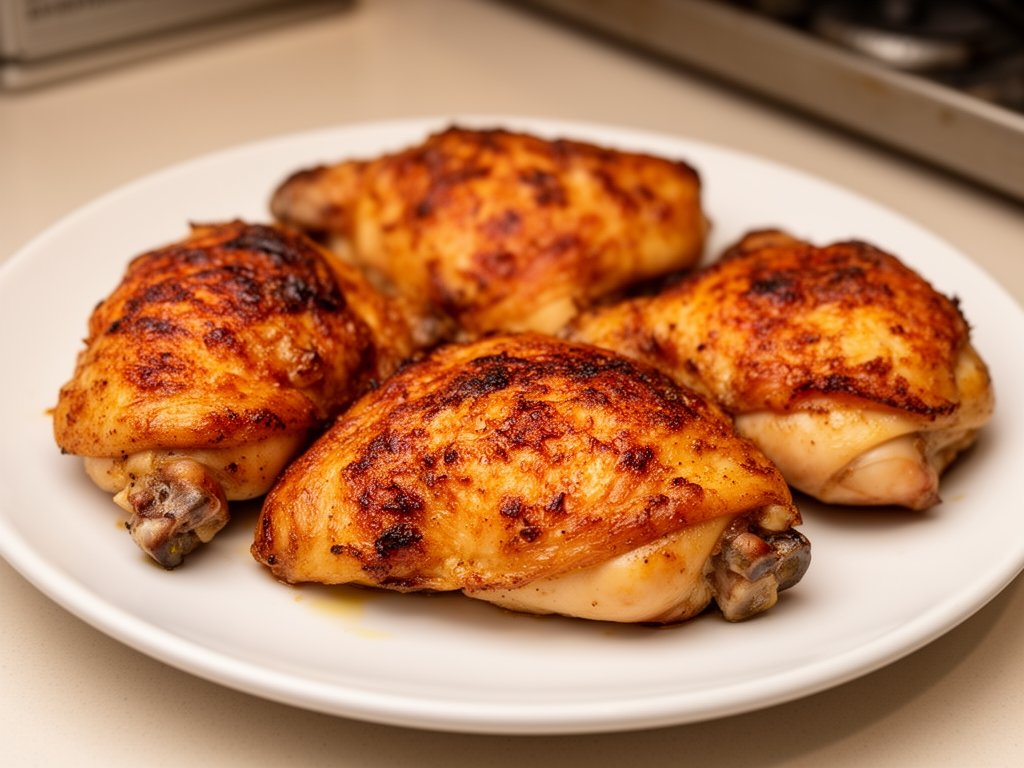
Your leftover sheet pan chicken meals store beautifully, making them perfect for meal prep and quick weeknight reheating. Proper storage techniques preserve flavor and texture while maintaining food safety. Understanding these methods ensures your one pan chicken dinners taste nearly as delicious on day three as they did fresh from the oven.
Refrigerator Storage
Allow your sheet pan chicken meals to cool to room temperature before refrigerating, typically within two hours of cooking. Transfer cooled portions to airtight containers, ensuring they’re sealed tightly to prevent moisture loss. Properly stored one pan chicken dinners keep safely in the refrigerator for three to four days. Store chicken and vegetables together to maintain flavor integration, or separate them if you prefer. Always label containers with the date prepared to track freshness accurately. Refrigerated portions reheat beautifully using multiple methods, making meal prep incredibly convenient.
Freezer Storage
For longer storage, freeze your sheet pan chicken meals in freezer-safe containers or heavy-duty freezer bags. Remove as much air as possible before sealing to prevent freezer burn. Properly frozen one pan chicken dinners maintain quality for up to three months. Flat freezer bags save space and thaw more quickly than rigid containers. Thaw frozen meals in the refrigerator overnight before reheating, allowing even thawing that preserves texture. Never thaw at room temperature, which promotes bacterial growth and compromises food safety.
Oven Reheating
Reheat your sheet pan chicken meals in a 350°F oven for eight to ten minutes, covered with foil to prevent drying. This gentle method preserves moisture and texture better than faster reheating methods. Transfer portions to an oven-safe dish before heating. The oven method is ideal when reheating larger quantities or when you have time for gentle, even heating. Your one pan chicken dinners emerge from the oven tasting nearly fresh.
Microwave Reheating
For quick reheating, microwave individual portions in microwave-safe containers for two to three minutes, stirring halfway through. Microwave reheating works well for single portions but can create uneven heating in larger quantities. Cover containers loosely to allow steam to escape while retaining moisture. Check temperature before eating to ensure thorough heating. While convenient, microwave reheating sometimes results in slightly less desirable texture compared to oven methods, but it’s perfect for busy schedules.
Conclusion
Sheet pan chicken meals represent the perfect solution for busy home cooks seeking delicious, nutritious dinners without complicated techniques or extensive cleanup. These versatile one pan chicken dinners deliver restaurant-quality results with minimal effort, making them ideal for weeknight cooking and meal preparation. Whether you’re feeding a family, entertaining guests, or simply seeking convenient healthy meals, sheet pan chicken meals never disappoint.
The beauty of these recipes lies in their remarkable adaptability. You can customize ingredients based on preferences, seasonal availability, and dietary needs without compromising results. From Mediterranean variations to creamy comfort food versions, one pan chicken dinners offer endless possibilities for culinary creativity. Start with the classic version, then experiment with variations until you discover your family’s favorites.
I encourage you to embrace sheet pan chicken meals as regular features in your cooking rotation. The time savings, minimal cleanup, and consistent excellent results make them invaluable additions to your recipe collection. Your family will appreciate the delicious home-cooked meals, and you’ll appreciate the simplified weeknight cooking process. Start tonight, and discover why so many home cooks have made one pan chicken dinners their go-to solution for busy evenings.
Frequently Asked Questions
Can I prepare sheet pan chicken meals in advance?
Absolutely! Prepare sheet pan chicken meals up to twenty-four hours ahead by arranging all ingredients on your sheet pan, covering tightly with plastic wrap, and refrigerating. When ready to cook, simply place the cold sheet pan directly into your preheated oven. Add five to ten minutes to cooking time since the pan starts cold. This advance preparation is perfect for busy weeknights when you want dinner ready immediately upon arriving home. Many home cooks use this strategy to maximize convenience with one pan chicken dinners.
What’s the best way to reheat leftover sheet pan chicken meals?
Oven reheating at 350°F for eight to ten minutes preserves moisture and texture better than microwave methods. Transfer portions to an oven-safe dish, cover with foil, and heat gently. Microwave reheating works for individual portions in two to three minutes but can create uneven heating. Never use boiling water or high-temperature reheating methods that dry out chicken. Your sheet pan chicken meals taste nearly fresh when reheated properly using these methods.
How long do leftover sheet pan chicken meals last in the refrigerator?
Properly stored one pan chicken dinners keep safely in the refrigerator for three to four days when stored in airtight containers. Always refrigerate within two hours of cooking. Label containers with the date prepared to track freshness. Discard any portions that develop off-odors or unusual colors. For longer storage, freeze portions for up to three months in freezer-safe containers.
Can I freeze sheet pan chicken meals?
Yes, sheet pan chicken meals freeze beautifully for up to three months. Cool portions completely before freezing, then transfer to freezer-safe containers or heavy-duty freezer bags. Remove excess air before sealing to prevent freezer burn. Thaw frozen one pan chicken dinners in the refrigerator overnight before reheating. Never thaw at room temperature, which promotes bacterial growth.
What vegetables work best in sheet pan chicken meals?
Vegetables with similar cooking times work best together in sheet pan chicken meals. Broccoli, bell peppers, zucchini, and green beans cook relatively quickly, while potatoes require more time. Cut vegetables into similar-sized pieces for even cooking. Brussels sprouts, asparagus, carrots, and onions all work beautifully. Avoid vegetables that release excessive moisture like mushrooms or tomatoes, which can create steam rather than roasting. Experiment with different combinations to discover your favorite one pan chicken dinners.
Can I use frozen vegetables in sheet pan chicken meals?
Frozen vegetables work well in sheet pan chicken meals, though fresh vegetables typically produce superior results. Thaw frozen vegetables before cooking to remove excess moisture that prevents browning. Add thawed vegetables later in cooking to prevent mushiness. Frozen broccoli, green beans, and mixed vegetables are convenient options for busy cooks. Fresh vegetables offer better texture and flavor, but frozen options provide budget-friendly convenience for one pan chicken dinners.
How can I make sheet pan chicken meals spicier?
Increase heat in sheet pan chicken meals by adding red pepper flakes, cayenne pepper, or hot sauce to your seasoning mixture. Use spicy paprika instead of regular paprika for additional heat. Add jalapeños or serrano peppers to your vegetable mix for fresh spice. Incorporate sriracha or chili oil into your olive oil base for Asian-inspired heat. Start with small amounts and adjust to your heat preference, as one pan chicken dinners intensify during roasting.
Can I double the recipe for larger gatherings?
Absolutely! Double or triple sheet pan chicken meals by using multiple sheet pans rather than overcrowding a single pan. Overcrowding creates steam rather than roasting, compromising texture and browning. Each pan requires the same cooking time and temperature. This strategy works perfectly for entertaining or large family gatherings. Your one pan chicken dinners maintain quality even when prepared in larger quantities using multiple pans.
What’s the ideal internal temperature for cooked chicken?
Chicken reaches food-safe doneness at 165°F internal temperature. Use an instant-read thermometer inserted into the thickest piece to verify temperature. Check multiple pieces if cooking several chicken breasts. This temperature ensures food safety while preventing overcooking. Perfectly cooked sheet pan chicken meals reach exactly 165°F, ensuring safety and optimal texture.
Can I prepare sheet pan chicken meals without parchment paper?
Yes, though parchment paper simplifies cleanup dramatically. Use aluminum foil as an alternative, or lightly grease your sheet pan with non-stick spray. Ensure your pan is properly prepared to prevent sticking. Parchment paper makes cleanup nearly effortless, making it worth the minimal investment for one pan chicken dinners. It’s inexpensive, reusable in many cases, and transforms the post-dinner cleanup experience.