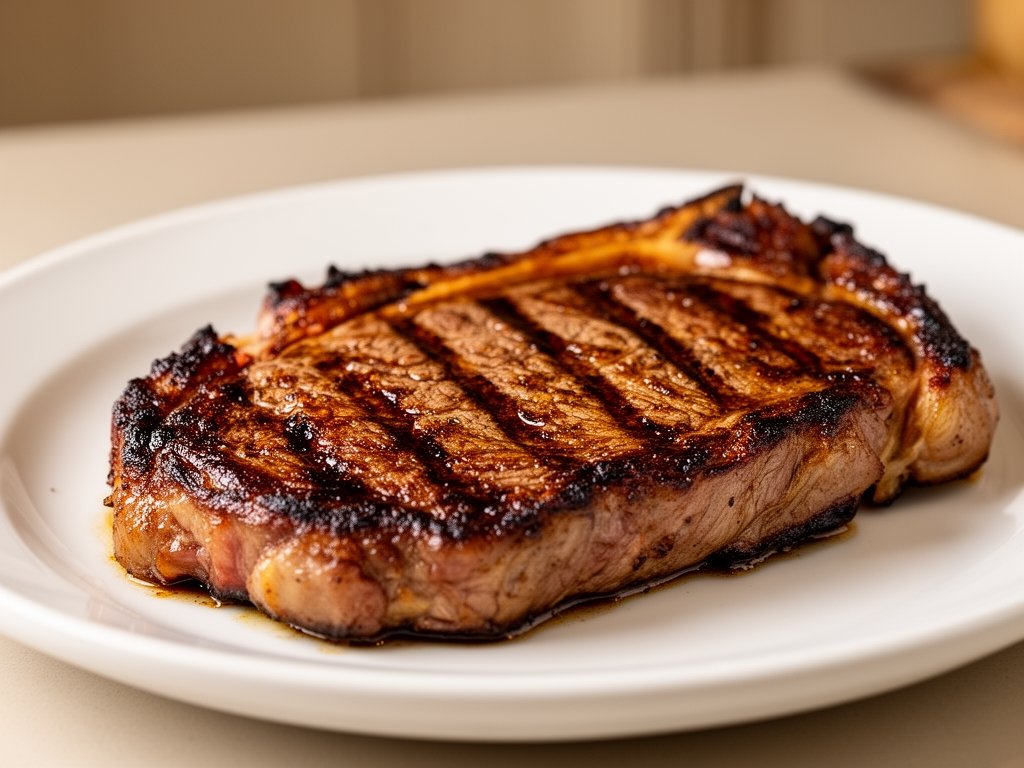
Introduction
Have you ever wondered why restaurant steaks taste so incredibly tender and flavorful? The secret lies in one simple technique: mastering grilled steak marinades. Whether you’re planning a backyard barbecue or a weeknight dinner that impresses your family, learning how to create the perfect marinade transforms ordinary cuts of beef into restaurant-quality masterpieces. The beauty of grilled steak marinades is that they require minimal effort but deliver maximum flavor, making them an essential skill for any home cook who loves grilling.
Table of Contents
Creating exceptional grilled steak marinades isn’t complicated or intimidating. With just a handful of pantry staples, you can develop the confidence and knowledge to prepare steaks that rival your favorite steakhouse. The magic happens when acidic components, savory seasonings, and quality oils combine to penetrate the meat, breaking down tough muscle fibers while infusing incredible depth of flavor throughout every bite.
What makes best steak marinade recipe options so versatile is their adaptability to your personal taste preferences. Some people prefer bold, peppery flavors with hints of garlic and herbs, while others enjoy tangy, vinegar-based marinades with subtle sweetness. The wonderful truth is that there’s no single perfect marinade—there are endless combinations waiting for you to discover your favorite.
Beyond just improving taste, understanding the science behind marinades helps you become a more confident cook. You’ll learn why certain ingredients work together, how long to marinate for optimal results, and how to adjust recipes based on the cut of steak you’re grilling. This knowledge transforms you from someone following recipes to someone who truly understands cooking.
Ingredients for Grilled Steak Marinades
The foundation of any exceptional best steak marinade recipe starts with understanding your ingredients. Each component plays a crucial role in creating a marinade that tenderizes, flavors, and creates a beautiful crust when your steak hits the grill. The combination of fats, acids, and seasonings works synergistically to enhance the natural qualities of beef while adding layers of complexity that keep people coming back for more bites.
Quality ingredients make all the difference when preparing grilled steak marinades. Investing in good olive oil, fresh garlic, and authentic Worcestershire sauce elevates your final result dramatically. These aren’t expensive luxuries—they’re pantry staples that last a long time and get used frequently. When you taste the difference that quality ingredients make in your marinade, you’ll understand why professional chefs prioritize ingredient selection.
The beauty of creating marinades is that substitutions are often possible if you don’t have exact ingredients on hand. However, understanding how each ingredient functions helps you make smart swaps that maintain the marinade’s balance and effectiveness.
Essential Ingredients
– Olive Oil (½ cup): Carries flavors throughout the meat and promotes browning during grilling
– Soy Sauce (⅓ cup reduced-sodium): Provides savory umami depth and helps tenderize the beef
– Worcestershire Sauce (¼ cup): Adds complex, tangy flavor with savory undertones
– Balsamic Vinegar (¼ cup): Tenderizes meat while adding subtle sweetness and acidity
– Fresh Garlic (1-2 tablespoons minced): Delivers pungent, aromatic flavor that infuses throughout
– Lemon Juice (¼ cup fresh-squeezed): Brightens flavors and provides acidic tenderizing component
– Lemon Zest (½ teaspoon): Adds concentrated citrus essence without extra liquid
– Dried Basil (3 tablespoons): Contributes earthy, slightly sweet herbal notes
– Dried Parsley (1½ tablespoons): Adds mild herbal flavor and visual appeal
– Dried Oregano (1 tablespoon): Provides Mediterranean herb character
– Italian Seasoning (2 tablespoons): Combines multiple herbs for balanced flavor profile
– Ground White Pepper (1 teaspoon): Delivers peppery heat without overpowering the marinade
– Dijon Mustard (1 teaspoon): Adds tangy complexity and helps emulsify the marinade
– Honey (1 tablespoon): Balances acidity with subtle sweetness and aids caramelization
– Salt (½ teaspoon): Enhances all flavors and seasons the meat
– Red Pepper Flakes (pinch): Adds subtle heat for those who enjoy spice
Ingredient Substitution Notes
If you’re missing dried basil, substitute with fresh basil at half the amount, or use additional Italian seasoning. Fresh herbs can replace any dried herbs using a three-to-one ratio—three tablespoons fresh equals one tablespoon dried. If you don’t have balsamic vinegar, apple cider vinegar or red wine vinegar work beautifully, though they’ll create slightly different flavor profiles. For those without Worcestershire sauce, a combination of soy sauce with a splash of vinegar and a pinch of sugar approximates the flavor reasonably well.
Equipment Needed
Preparing perfect grilled steak marinades requires minimal equipment, but having the right tools ensures your marinade mixes properly and your steaks cook evenly. The most important piece is a quality grill that maintains consistent temperature, but even a basic charcoal or gas grill works wonderfully when you understand proper heat management and timing techniques.
Beyond the grill itself, a few kitchen tools make the marinade preparation process smooth and enjoyable. These items are likely already in your kitchen, so you probably won’t need to purchase anything special to get started with creating incredible marinades.
Kitchen Tools & Equipment
– Medium or Large Mixing Bowl: For combining all marinade ingredients
– Whisk: Essential for thoroughly blending oil-based and liquid ingredients
– Measuring Cups and Spoons: Ensures accurate ingredient proportions for consistent results
– Zester or Microplane: For obtaining fresh lemon zest without bitter white pith
– Garlic Mincer or Sharp Knife: Creates finely minced garlic that distributes evenly
– Resealable Zip-Top Bags or Glass Container: For marinating steaks safely in the refrigerator
– Meat Thermometer: Guarantees steaks reach desired doneness without guesswork
– Tongs: Safely handles hot steaks on the grill without piercing the meat
– Grill Brush: Cleans grates and prevents sticking before cooking
– Cutting Board: For resting and slicing steaks after grilling
– Paper Towels: Pats steaks dry before grilling for optimal browning
Prep Time & Cook Time
Prep Time: 15 minutes
Marinating Time: 30 minutes to 4 hours (or overnight)
Cook Time: 12-18 minutes
Total Time: 45 minutes to 4 hours 33 minutes
Servings: 4-6 people
Difficulty Level: Easy to Intermediate
Timing is flexible with best steak marinade recipe preparations because you can marinate steaks anywhere from thirty minutes to overnight depending on your schedule. The longer you marinate, the more pronounced the flavors become, though even brief marinating significantly improves tenderness and taste. If you’re short on time, thirty minutes provides noticeable improvement over unmarinated steaks. For meal planning purposes, prepare your marinade in the morning, add steaks at lunch, and grill for dinner with minimal last-minute stress.
Step-by-Step Instructions for Creating the Perfect Grilled Steak Marinades
Creating a flavorful marinade that transforms your steaks into something extraordinary involves careful attention to ingredient combination and proper technique. The following steps guide you through the process of making best steak marinade recipe variations that consistently deliver restaurant-quality results. Whether you’re a grilling novice or experienced barbecue enthusiast, these detailed instructions ensure success every time.
The foundation of exceptional grilled steak marinades begins with understanding how each step contributes to the final product. Rushing through the preparation compromises flavor development, while taking your time creates marinades that truly elevate your grilled beef.
Detailed Instructions
Step 1: Prepare Your Workspace and Gather Ingredients
Before beginning, assemble all ingredients and equipment on your counter. This mise en place approach prevents scrambling mid-recipe and ensures you don’t accidentally skip any components. Having everything visible helps you maintain focus and work efficiently. Read through all steps once before starting so you understand the complete process. Take lemon juice fresh-squeezed if possible, as bottled juice contains preservatives that slightly alter flavor. Measure all ingredients into small bowls or cups so you can add them quickly when needed. This preparation method, called mise en place by professional chefs, transforms cooking from stressful to enjoyable and ensures consistent results with your best steak marinade recipe.
Step 2: Prepare Fresh Citrus and Garlic
Zest your lemons using a microplane or zester, being careful to capture only the yellow outer layer and avoid the bitter white pith beneath. You’ll need approximately ½ teaspoon of zest. Cut lemons in half and squeeze fresh juice, straining out seeds and pulp. Fresh lemon juice makes a noticeable difference compared to bottled versions. Peel garlic cloves and mince them finely with a sharp knife, or use a garlic mincer for consistent texture. The finer your garlic is minced, the more evenly it distributes throughout your grilled steak marinades. If you’re preparing this ahead, store minced garlic in a small container until ready to combine with other ingredients.
Step 3: Combine Wet Ingredients in Your Mixing Bowl
Pour ½ cup olive oil into your medium mixing bowl. Add ⅓ cup reduced-sodium soy sauce, ¼ cup fresh lemon juice, ¼ cup Worcestershire sauce, and 1 tablespoon minced garlic to the bowl. The order of adding ingredients doesn’t matter significantly, but adding oil first creates a base for other liquids. Whisk these ingredients together thoroughly, ensuring they’re well combined before adding dried herbs and spices. This wet base carries all the flavors throughout your marinade and into the meat fibers.
Step 4: Incorporate Dried Herbs and Spices
Add 3 tablespoons dried basil, 1½ tablespoons garlic powder, 1½ tablespoons dried parsley, and 1 tablespoon dried oregano to your wet ingredients. These herbs provide the aromatic foundation that makes grilled steak marinades so appealing. Whisk vigorously for about one minute, breaking up any herb clumps that might have formed. The whisking action distributes herbs evenly throughout the oil and liquid base, preventing flavor pockets and ensuring consistent taste in every bite of steak.
Step 5: Add Remaining Seasonings and Zest
Whisk in 1 teaspoon ground white pepper, ½ teaspoon lemon zest, and a pinch of red pepper flakes if you enjoy heat. These final seasonings add complexity and depth to your best steak marinade recipe. Taste your marinade by dipping a clean spoon into the mixture and sampling it carefully. The flavor should be bold and assertive—remember that it will be diluted by the steak’s natural juices during marinating. Adjust seasonings according to your preferences, adding more garlic powder for intensity or extra lemon juice for brightness.
Step 6: Select and Prepare Your Steaks
Choose well-marbled steaks such as New York strips, ribeyes, or filet mignon, selecting cuts that are at least one inch thick for optimal grilling results. Pat steaks dry with paper towels, removing surface moisture that prevents proper browning. Place steaks on a clean cutting board or in a large resealable zip-top bag. The bag method works wonderfully because it saves space in your refrigerator and allows you to easily flip steaks midway through marinating.
Step 7: Add Marinade to Steaks
Pour your prepared marinade over the steaks, ensuring all surfaces contact the flavorful liquid. If using a zip-top bag, seal it carefully while pressing out excess air—this creates better contact between marinade and meat. If using a glass container, cover it with plastic wrap or a lid. The goal is to minimize air exposure, which prevents oxidation and keeps your marinade fresh. Gently turn steaks to coat all sides, then refrigerate immediately.
Step 8: Marinate for Optimal Flavor Development
Place your steaks in the refrigerator for a minimum of thirty minutes, though two to four hours delivers noticeably superior flavor. Many cooks prefer marinating overnight for maximum penetration and tenderness. Every thirty minutes or so, flip the bag or turn steaks in their container to ensure even marinade exposure. This simple action prevents one side from sitting in concentrated seasoning while the other remains less flavorful. The longer marinating time allows acidic components in your grilled steak marinades to break down muscle proteins, resulting in noticeably more tender meat.
Step 9: Remove Steaks from Refrigeration
About thirty minutes before grilling, remove steaks from the refrigerator and allow them to reach room temperature. This crucial step ensures even cooking throughout the meat, preventing a cold center while the exterior overcooks. While steaks warm, prepare your grill by cleaning the grates with a grill brush and preheating to medium-high heat. Pat steaks dry with paper towels, removing excess marinade but allowing some to remain on the surface—this creates the flavorful crust everyone loves.
Step 10: Preheat Your Grill to Proper Temperature
Heat your grill to medium-high heat, approximately 400-450 degrees Fahrenheit. If using charcoal, arrange coals to create a hot zone for searing and a cooler zone for gentler cooking. Allow the grill to preheat for at least ten minutes, ensuring grates are hot enough to create beautiful sear marks. Brush grates with oil to prevent sticking, using a long-handled brush or oil-soaked paper towels held with tongs. Proper preheating is essential for achieving the caramelized exterior that makes grilled steaks so appealing.
Step 11: Sear Steaks on High Heat
Place steaks directly over the hottest part of the grill and sear for two to three minutes without moving them. This initial searing creates a flavorful crust through the Maillard reaction, where proteins and sugars combine to form complex flavors. Resist the urge to flip steaks constantly—let them sit undisturbed to develop proper browning. You’ll know they’re ready to flip when they release easily from the grates without sticking.
Step 12: Flip and Continue Cooking
Flip steaks using tongs, being careful not to pierce the meat with a fork, which allows precious juices to escape. Sear the second side for another two to three minutes. At this point, move steaks to a cooler zone of the grill if available, or reduce heat to medium. Continue cooking until steaks reach your desired doneness: 125-130 degrees Fahrenheit for rare, 135 degrees for medium-rare, 145 degrees for medium, and 160 degrees for well-done. Use a meat thermometer for accuracy rather than relying on appearance or touch.
Step 13: Rest Your Steaks Before Serving
Remove steaks from the grill and place them on a clean cutting board or serving platter. Tent loosely with foil and allow steaks to rest for five to ten minutes before serving. This resting period allows juices to redistribute throughout the meat, resulting in more tender, juicier steaks. During this time, the internal temperature rises slightly due to carryover cooking, so remove steaks when they’re about five degrees below your target temperature. Resting is the final crucial step that separates good steaks from truly exceptional ones.
Step 14: Plate and Enjoy Your Perfectly Grilled Steaks
Serve steaks immediately while they’re still hot, optionally garnishing with fresh parsley or additional herbs if desired. Your perfectly executed grilled steak marinades have transformed simple beef into restaurant-quality masterpieces that impress family and friends.
Nutritional Information
Grilled steaks prepared with best steak marinade recipe methods provide excellent nutritional value when consumed as part of a balanced diet. Beef is an outstanding source of high-quality protein, containing all essential amino acids necessary for muscle maintenance, immune function, and tissue repair. The protein content in steaks supports satiety, helping you feel fuller longer and potentially reducing overall calorie consumption throughout the day. Additionally, beef provides iron, zinc, and B vitamins including B12, which are crucial for energy production and cognitive function.
The marinade components contribute additional nutritional benefits beyond the steak itself. Olive oil provides heart-healthy monounsaturated fats and polyphenols with antioxidant properties. Garlic contains compounds that support cardiovascular health and may have anti-inflammatory effects. Lemon juice provides vitamin C, which aids iron absorption and supports immune function. While grilled steak marinades do contain sodium from soy sauce and Worcestershire sauce, using reduced-sodium versions minimizes this concern while maintaining robust flavor.
The cooking method itself—grilling—can preserve more nutrients compared to other cooking methods, as the high heat and relatively quick cooking time minimize nutrient loss. However, it’s worth noting that consuming very charred portions may introduce compounds that some health-conscious eaters prefer to limit. Balancing your grilled steaks with plenty of vegetables and whole grains creates nutritionally complete meals that satisfy both taste and health goals.
Estimated Nutritional Values Per Serving (for one 8-ounce steak with marinade)
– Calories: 450-520
– Protein: 45-50 grams
– Fat: 25-30 grams (mostly from olive oil)
– Carbohydrates: 3-5 grams
– Fiber: 0 grams
– Sodium: 800-1000 mg (reduced-sodium soy sauce used)
– Iron: 3-4 mg (25-30% daily value)
– Zinc: 7-8 mg (60-70% daily value)
– Vitamin B12: 2-3 mcg (40-50% daily value)
Serving Suggestions & Variations
The beauty of perfectly prepared steaks lies in their versatility—they pair beautifully with countless side dishes and complementary flavors that enhance your dining experience. Classic steakhouse-style sides like loaded baked potatoes, creamed spinach, or asparagus with garlic butter create elegant, satisfying meals. For lighter options, grilled vegetables including zucchini, bell peppers, and mushrooms absorb delicious grill flavors and add nutritional value. Fresh green salads with vinaigrette provide acidic brightness that complements rich, juicy beef perfectly.
Seasonal variations on grilled steak marinades keep your grilling exciting throughout the year. During summer months, add fresh herbs like basil, cilantro, or rosemary to your marinade for bright, garden-fresh flavors. In autumn, incorporate warmer spices such as cumin, smoked paprika, or a touch of cinnamon for deeper, more complex character. Winter marinades benefit from bold flavors like extra garlic, increased Worcestershire sauce, and fresh thyme. Spring calls for lighter touches with additional lemon, fresh herbs, and minimal heavy seasonings that celebrate the season’s fresh ingredients.
Alternative cooking methods expand your options beyond traditional outdoor grilling. Cast iron skillet searing indoors creates similar crust development and works wonderfully year-round regardless of weather. Broiling in your oven provides excellent results when outdoor grilling isn’t possible. Pan-searing followed by oven finishing ensures perfectly cooked interiors with beautiful exteriors. Each method produces slightly different results, so experimenting helps you discover your preferred technique.
Ingredient variations transform your best steak marinade recipe into entirely different flavor profiles while maintaining the core technique. Asian-inspired variations use increased soy sauce, fresh ginger, and sesame oil for umami-rich results. Mediterranean versions emphasize olive oil, oregano, and fresh lemon for bright, herbaceous character. Spicy variations incorporate jalapeños, cayenne pepper, and hot sauce for those who enjoy heat. Smoky versions add smoked paprika and a touch of liquid smoke for barbecue-inspired depth.
Pairing beverages with grilled steaks enhances the entire meal experience. Full-bodied red wines complement the rich, savory flavors beautifully, while craft beers provide refreshing contrast. For non-alcoholic options, sparkling water with lemon or herbal iced tea refresh the palate between bites. Coffee or espresso after dinner provides a sophisticated finish to your meal. The key is choosing beverages that either complement or contrast with the steak’s flavors, enhancing overall enjoyment.
Expert Tips & Tricks for Mastering Grilled Steak Marinades
Professional chefs understand that small techniques separate good steaks from extraordinary ones. These expert insights transform your grilling from adequate to impressive, helping you achieve results that rival expensive steakhouses.
Tip 1: Balance Your Marinade Components
Every exceptional best steak marinade recipe contains three essential components: fat, acid, and seasoning. Fat carries flavors and promotes browning, acid tenderizes meat, and seasonings create depth. Aim for approximately equal parts oil and acidic liquids, then adjust seasonings to taste. This balance prevents marinades from becoming too acidic, which can make meat mushy if left too long, while ensuring enough acid for proper tenderization.
Tip 2: Use Fresh Ingredients When Possible
Fresh garlic, fresh lemon juice, and fresh herbs deliver superior flavor compared to their dried counterparts. While dried ingredients work well and offer convenience, fresh components create noticeably more vibrant marinades. If substituting dried for fresh, use one-third the amount since drying concentrates flavors. Keep fresh garlic and citrus on hand for impromptu grilling sessions.
Tip 3: Don’t Oversalt Your Marinade
Salt draws moisture from meat when applied too far in advance, potentially drying out your steaks. Instead, add salt to your marinade sparingly or apply it just before grilling. This technique preserves juiciness while still seasoning the meat thoroughly. If your marinade contains salty components like soy sauce and Worcestershire sauce, additional salt may be unnecessary.
Tip 4: Marinate at the Right Temperature
While refrigerator marinating takes longer, it’s the safest method and prevents bacterial growth on raw meat. Room temperature marinating works for brief periods up to two hours but requires careful food safety practices. Never marinate steaks at room temperature for extended periods. Cold marinating also allows you to prep steaks in advance, reducing last-minute stress on grilling day.
Tip 5: Pat Steaks Dry Before Grilling
Excess surface moisture prevents proper browning and creates steam rather than sear marks. Remove steaks from marinade and pat them thoroughly dry with paper towels before placing on the grill. This simple step dramatically improves the crust quality and overall appearance of your finished steaks. Allow some marinade to cling to the surface for flavor, but remove obvious excess liquid.
Tip 6: Invest in a Meat Thermometer
Guessing doneness by appearance or touch leads to inconsistent results and potential overcooking. An instant-read meat thermometer removes all guesswork, ensuring steaks reach your desired temperature perfectly every time. Insert the thermometer into the thickest part of the steak, away from bone if present. Remove steaks about five degrees below your target temperature since carryover cooking continues during resting.
Tip 7: Let Steaks Rest Before Serving
Resting allows muscle fibers to relax and reabsorb juices, resulting in more tender, juicier steaks. A five to ten-minute rest makes a noticeable difference in the final product. Tent steaks loosely with foil during resting to maintain warmth while allowing steam to escape. Skipping this step sacrifices juiciness and tenderness that proper resting provides.
Tip 8: Use High-Heat Cooking for Proper Searing
Searing at high temperatures creates the flavorful brown crust through the Maillard reaction, where proteins and sugars combine to form complex flavors. This crust adds tremendous appeal and flavor depth. Ensure your grill is thoroughly preheated and grates are clean and oiled before adding steaks. Don’t move steaks constantly—let them sit undisturbed for two to three minutes per side to develop proper browning.
Tip 9: Create Temperature Zones on Your Grill
Arrange your grill so one side is very hot for searing and another side is cooler for gentler cooking. This two-zone setup allows you to sear steaks quickly then move them to cooler areas to finish cooking without burning the exterior. If using a charcoal grill, push coals to one side, leaving the other side cooler. Gas grills typically have separate burners that allow easy temperature control.
Tip 10: Experiment with Marinade Variations
Don’t be afraid to modify grilled steak marinades based on your preferences and available ingredients. Small adjustments like adding fresh rosemary, increasing garlic, or incorporating Dijon mustard create personalized versions that suit your taste perfectly. Keep notes on what you try so you can recreate successful variations and avoid unsuccessful experiments.
Common Mistakes to Avoid
Understanding what goes wrong helps you avoid pitfalls that compromise your grilled steaks. These common errors are easily preventable with awareness and attention to detail.
Mistake 1: Marinating Too Long
While longer marinating times develop flavor, excessive marinating can make steaks mushy from over-tenderizing. Acidic components break down muscle proteins, and too much time creates undesirable texture. Limit marinating to four hours maximum for most marinades, or overnight at most. If you need to marinate longer, reduce acidic ingredients or use gentler acids like balsamic vinegar instead of lemon juice.
Mistake 2: Starting with Cold Steaks
Grilling steaks directly from the refrigerator results in cold centers and overcooked exteriors. Allow steaks to reach room temperature for thirty minutes before grilling, ensuring even cooking throughout. This simple step dramatically improves results and prevents the common problem of burnt outsides with rare centers. Remove steaks from the refrigerator while you’re preheating the grill.
Mistake 3: Not Preheating the Grill Sufficiently
An insufficiently hot grill prevents proper searing and browning, resulting in pale, unappetizing steaks. Preheat your grill for at least ten minutes, allowing grates to reach proper temperature. Test readiness by carefully holding your hand above the grates—you should only tolerate the heat for two to three seconds. Proper preheating is non-negotiable for excellent results.
Mistake 4: Flipping Steaks Too Frequently
Constantly flipping prevents proper crust development and extends cooking time unnecessarily. Flip steaks only once, allowing two to three minutes per side for searing. This hands-off approach creates beautiful grill marks and proper browning. Resist the urge to fidget with your steaks—patience yields better results.
Mistake 5: Skipping the Resting Period
Cutting into steaks immediately after grilling releases precious juices onto the plate rather than keeping them in the meat. A five to ten-minute rest allows juices to redistribute, resulting in significantly more tender and juicy steaks. This final step is easy to overlook but makes an enormous difference in the final product.
Mistake 6: Using Wet Steaks on the Grill
Excess surface moisture creates steam instead of searing, preventing proper browning and crust development. Always pat steaks dry with paper towels before grilling, removing excess marinade. This simple action dramatically improves the appearance and flavor of your finished steaks through proper Maillard reaction development.
Mistake 7: Ignoring Carryover Cooking
Steaks continue cooking after removal from heat due to residual temperature. Removing steaks five degrees below target temperature accounts for this carryover cooking, preventing overcooked results. Failing to account for carryover cooking consistently results in steaks that are more done than intended, especially problematic when aiming for medium-rare.
Mistake 8: Forgetting to Oil Your Grill Grates
Ungreased grates cause steaks to stick, resulting in torn meat and lost flavorful crust. Brush grates with oil using a long-handled brush before adding steaks. This simple step prevents frustration and ensures beautiful presentation. Use an oil with a high smoke point like vegetable or canola oil, not olive oil which smokes at lower temperatures.
Storage & Reheating Instructions
Properly storing leftover steaks maintains their quality and allows you to enjoy them for several days. Understanding the best storage methods ensures food safety while preserving flavor and texture as much as possible.
Refrigerator storage works well for steaks you plan to enjoy within three to four days. Allow cooked steaks to cool to room temperature before transferring to an airtight container or wrapping tightly with plastic wrap. Store in the coldest part of your refrigerator, typically the back of a shelf rather than the door where temperature fluctuates. Cold steaks become firmer and less juicy than freshly cooked versions, but proper storage minimizes deterioration. When reheating, use gentle methods that warm the steak without further cooking the interior.
Freezer storage extends the life of leftover steaks to two to three months. Wrap individual steaks tightly in plastic wrap, then place in freezer bags, removing as much air as possible. Label packages with the date so you remember how long they’ve been frozen. Proper wrapping prevents freezer burn, which creates dry, discolored patches that compromise quality. Thaw steaks in the refrigerator overnight before reheating rather than at room temperature, which allows bacteria growth.
Reheating steaks requires gentle methods to prevent overcooking the interior while warming the exterior. The oven method works beautifully: preheat to 250 degrees Fahrenheit, place steaks on a baking sheet, and warm for ten to fifteen minutes until the internal temperature reaches 110 degrees Fahrenheit. This low-temperature approach gently warms steaks without additional cooking. For faster reheating, slice steaks thinly and warm in a skillet over medium heat with a touch of butter, which adds moisture and richness. Avoid microwaving, which creates uneven heating and ruins texture. Never reheat steaks to higher temperatures than their original doneness, as this results in overcooked, tough meat.
Frequently Asked Questions About Best Steak Marinade Recipe Preparation
Q: How long should I marinate steaks?
A: Minimum marinating time is thirty minutes, which provides noticeable improvement over unmarinated steaks. Two to four hours delivers excellent flavor development, while overnight marinating maximizes penetration. Don’t exceed four to six hours with highly acidic marinades, as excessive time can make steaks mushy. Refrigerate throughout marinating to maintain food safety.
Q: Can I reuse leftover marinade?
A: Marinade that has contacted raw meat contains bacteria and should not be reused. However, you can reserve a portion of marinade before adding steaks if you want to use it for basting or serving. Boil reserved marinade for one minute if you want to use it as a sauce, which kills any potential bacteria from cross-contamination.
Q: What’s the best cut of steak for grilling?
A: Ribeyes, New York strips, and filet mignon are excellent choices with good marbling and tenderness. Sirloin and flat iron steaks work well for budget-conscious grilling. Choose steaks at least one inch thick for optimal results—thinner steaks dry out more easily. Look for visible marbling, which indicates intramuscular fat that keeps steaks juicy during cooking.
Q: Can I use this grilled steak marinades recipe for other meats?
A: Absolutely! This marinade works wonderfully on chicken, lamb, and fish, though you may need to adjust marinating times. Chicken and fish marinate beautifully in thirty minutes to two hours, while lamb benefits from similar timeframes as beef. The acidic components tenderize all proteins, making this versatile marinade excellent for various meats.
Q: How do I know when my steak is done?
A: Use a meat thermometer for accuracy: 125-130°F for rare, 135°F for medium-rare, 145°F for medium, and 160°F for well-done. Remember that steaks continue cooking during resting, so remove them about five degrees below target temperature. Visual cues like color and firmness are less reliable than temperature measurement.
Q: Can I marinate steaks at room temperature?
A: Brief room temperature marinating up to two hours is acceptable, but refrigerator marinating is safer and preferred. Room temperature marinating allows bacteria growth on raw meat, creating food safety concerns. Always refrigerate steaks during marinating, removing them thirty minutes before grilling to reach room temperature.
Q: What if I don’t have fresh lemon juice?
A: Bottled lemon juice works in a pinch, though fresh juice provides superior flavor. Apple cider vinegar, white wine vinegar, or red wine vinegar substitute for lemon juice, creating slightly different flavor profiles. Use the same quantity of these alternatives, adjusting overall seasoning to taste.
Q: How should I store leftover marinade?
A: Unused marinade that hasn’t contacted raw meat keeps refrigerated for one week in an airtight container. Freeze marinade in ice cube trays for convenient portions you can thaw as needed. Label frozen portions with the date so you remember how long they’ve been frozen. Properly stored marinade allows you to quickly prepare steaks without mixing fresh batches.
Q: Can I make this marinade ahead of time?
A: Yes, prepare marinade up to three days ahead and store in a refrigerated airtight container. This advance preparation is convenient for meal planning and reduces day-of stress. Give the marinade a quick whisk before using to recombine separated ingredients. Making marinade ahead allows flavors to meld, potentially improving overall taste.
Q: What’s the difference between marinating and brining?
A: Marinating uses acidic, oil-based mixtures that tenderize through acid and flavor through seasonings. Brining uses salt-based solutions that cure meat and increase moisture retention. Both methods improve steaks, though marinating is more common for grilled steaks. Some cooks combine techniques, brining briefly then marinating for maximum tenderness and flavor.
Conclusion
Mastering grilled steak marinades transforms you from someone who cooks steaks into someone who creates memorable dining experiences. The techniques and recipes in this comprehensive guide provide everything needed to consistently produce restaurant-quality results at home. Whether you’re grilling for a special occasion or a casual weeknight dinner, understanding how to prepare exceptional marinades elevates your cooking confidence and impresses everyone at your table.
The beauty of best steak marinade recipe mastery lies in its simplicity—you need only a handful of pantry staples and basic technique to create extraordinary results. Start with the foundational recipes provided here, then experiment with variations that match your personal taste preferences. Each time you grill, you’ll gain confidence and develop intuition about flavor balance and cooking times. Your friends and family will notice the dramatic improvement in your steaks and ask for your secrets.
Now it’s time to fire up your grill and put these techniques into practice. Select quality steaks, prepare your marinade with care, and follow the detailed instructions provided. The investment of time and attention pays dividends in the form of perfectly cooked, incredibly flavorful steaks that rival any steakhouse experience. Share your grilled creations with loved ones, and enjoy the compliments that inevitably follow. Happy grilling!