Have you ever found yourself standing in front of your refrigerator at lunchtime, wondering what to eat that’s both nutritious and satisfying? Buddha bowl ideas have revolutionized the way we think about meal prep, transforming simple ingredients into vibrant, nourishing meals that taste as good as they look. These colorful, customizable bowls have become a staple in kitchens everywhere, and for good reason. Whether you’re looking to simplify your weekly meal planning or discover new flavor combinations, buddha bowl ideas offer endless possibilities that keep your taste buds excited and your body fueled.
Table of Contents
What makes buddha bowl ideas so special is their incredible versatility and ease of preparation. Unlike complicated recipes that demand hours in the kitchen, a buddha bowl comes together in minutes once you’ve prepped your ingredients. The beauty of buddha bowl ideas lies in their formula: combine whole grains, fresh vegetables, protein, healthy fats, and a flavorful sauce to create a complete, balanced meal. This approach means you’re never bored with your lunch options, and you can easily adapt recipes based on seasonal produce and personal preferences.
The popularity of buddha bowl ideas continues to grow because they align perfectly with modern busy lifestyles. You can prepare multiple buddha bowl ideas on Sunday afternoon and enjoy them throughout the week, knowing each bowl is packed with nutrients and flavor. From roasted sweet potatoes to creamy avocado, from crispy chickpeas to tender greens, every component of a buddha bowl serves a purpose. These meals aren’t just about eating; they’re about nourishing yourself with intention and enjoying the process of creating something beautiful and delicious.
Buddha bowl ideas have also become a favorite among health-conscious eaters who want to maximize nutrition without sacrificing taste. Each ingredient in a buddha bowl is chosen for its nutritional benefits, creating meals that support your wellness goals. Whether you’re interested in plant-based eating, increasing your vegetable intake, or simply enjoying more creative lunches, buddha bowl ideas provide the perfect framework for success. The combination of textures, colors, and flavors makes every meal feel special, transforming everyday lunch into something you actually look forward to eating.
Ingredients for Buddha Bowl Ideas
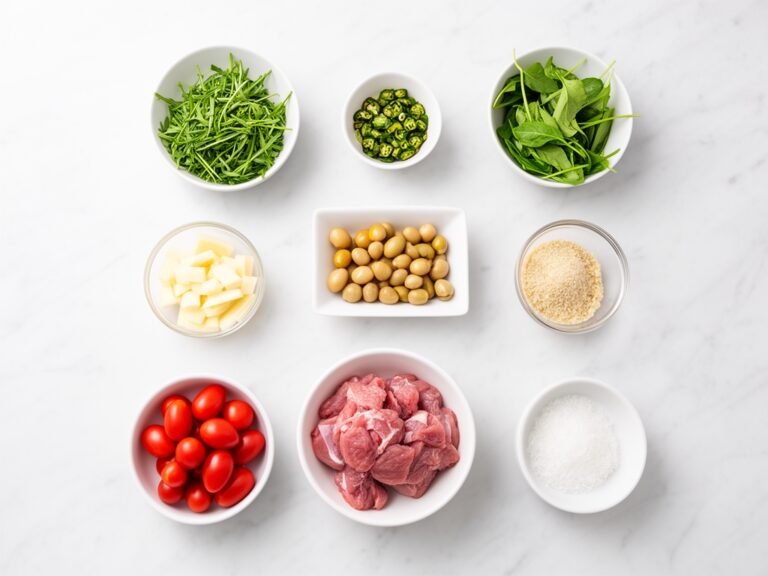
Creating the perfect buddha bowl ideas starts with understanding how to select ingredients that work harmoniously together. Each component should contribute not just flavor, but also texture and nutritional value. The foundation of buddha bowl ideas typically includes a whole grain base, fresh vegetables, protein, healthy fats, and a binding sauce. When building your buddha bowl ideas, think about balancing colors on your plate—this naturally ensures variety in nutrients and creates visually appealing meals that make eating an enjoyable experience.
The beauty of buddha bowl ideas is that they accommodate virtually any dietary preference or ingredient availability. If you’re shopping for buddha bowl ideas, focus on selecting the freshest produce available at your local market, as fresh ingredients make the biggest difference in flavor and nutrition. Quality matters significantly when preparing buddha bowl ideas, so invest in good olive oil, authentic spices, and whole grains. The components of buddha bowl ideas should be chosen with intention, considering both nutrition and personal taste preferences. This thoughtful approach to ingredient selection ensures your buddha bowl ideas are consistently delicious and satisfying.
When shopping for buddha bowl ideas, organization makes the process easier and more efficient. Group ingredients by component—grains, vegetables, proteins, and toppings—so you can see exactly what you need. Buying ingredients in bulk when preparing buddha bowl ideas for the week saves money and reduces packaging waste. Consider seasonal availability when selecting vegetables for your buddha bowl ideas, as seasonal produce is typically fresher, more affordable, and more flavorful than out-of-season options.
Whole Grain Base:
– 2 cups cooked quinoa
– 2 cups cooked brown rice
– 1½ cups cooked farro
– 1½ cups cooked wild rice
– 1 cup cooked millet
Fresh Vegetables:
– 2 large sweet potatoes, peeled and cubed
– 4 cups fresh kale, chopped
– 3 cups fresh spinach
– 2 cups shredded red cabbage
– 3 medium carrots, sliced
– 2 red radishes, thinly sliced
– 2 cups cherry tomatoes
– 1 English cucumber, sliced
– 2 bell peppers, diced
– 1 cup broccoli florets
– 1 cup snap peas
– 1 cup green beans
Proteins:
– 2 cups cooked chickpeas
– 1½ cups cooked lentils
– 2 grilled chicken breasts, sliced
– 8 ounces grilled fish
– 1 cup cooked edamame
– ½ cup tahini
– ½ cup hummus
Healthy Fats & Toppings:
– 2 ripe avocados, sliced
– ¾ cup mixed nuts (almonds, walnuts, pecans)
– ½ cup sesame seeds
– ¼ cup pumpkin seeds
– ¼ cup sunflower seeds
– ½ cup crumbled feta cheese
– 2 tablespoons extra-virgin olive oil
Dressing Components:
– ½ cup tahini
– 3 tablespoons fresh lemon juice
– 2 tablespoons rice vinegar
– 2 cloves garlic, minced
– 1 tablespoon miso paste
– 1 teaspoon sesame oil
– ½ cup water
– Salt and pepper to taste
– 1 teaspoon ginger, grated
– ½ teaspoon red curry paste (optional)
Garnishes & Seasonings:
– Fresh cilantro
– Green onions
– Microgreens
– Lime wedges
– Turmeric
– Cumin
– Paprika
– Cayenne pepper
– Zaatar
– Fennel seeds
– Black sesame seeds
– Red pepper flakes
Equipment Needed
Preparing buddha bowl ideas efficiently requires having the right kitchen tools at your disposal. A quality chef’s knife and cutting board are essential for prepping vegetables quickly and safely, making the process of creating buddha bowl ideas much more enjoyable. A large mixing bowl works perfectly for combining dressing ingredients, while sheet pans are crucial for roasting vegetables that go into your buddha bowl ideas. Having these tools ready before you start ensures smooth preparation and helps you create beautiful buddha bowl ideas without frustration.
Essential equipment includes a food processor for making homemade dressings and sauces, which elevates your buddha bowl ideas significantly. A rice cooker or pot with a lid simplifies grain preparation when making buddha bowl ideas. Measuring cups and spoons ensure accurate ingredient proportions, while a vegetable peeler and grater speed up prep work considerably. Small bowls for organizing ingredients make assembly much easier when preparing multiple buddha bowl ideas at once.
Kitchen Tools & Equipment:
– One large chef’s knife (8-inch)
– One cutting board (preferably bamboo)
– One large mixing bowl
– Three medium mixing bowls
– Two sheet pans
– One large pot with lid
– One rice cooker (optional but helpful)
– One food processor
– Measuring cups and spoons
– One vegetable peeler
– One box grater
– One whisk
– One wooden spoon
– Tongs for tossing vegetables
– Container set for storage
Prep Time & Cook Time
Prep Time: 25 minutes
Cook Time: 35 minutes
Total Time: 60 minutes
Servings: 4 buddha bowl ideas
Difficulty Level: Easy to Intermediate
Timing is everything when preparing buddha bowl ideas efficiently. Most of the time investment goes toward chopping vegetables and cooking grains, but both tasks can happen simultaneously to save time. If you prepare buddha bowl ideas using a rice cooker, you can start the grains cooking while you chop vegetables, cutting your overall prep time significantly. Planning ahead and organizing your workspace before beginning makes the entire process of creating buddha bowl ideas smoother and more enjoyable. Many people find that dedicating one afternoon to preparing buddha bowl ideas for the entire week saves considerable time during busy weekdays.
Step-by-Step Instructions for Healthy Buddha Bowl Ideas
Creating delicious buddha bowl ideas requires understanding the proper sequence and technique for each component. The key to successful buddha bowl ideas is preparing each element properly before assembly, ensuring every bite delivers maximum flavor and nutrition. Whether you’re making buddha bowl ideas for the first time or you’re a seasoned pro, following these detailed steps ensures consistent, restaurant-quality results. The process of making buddha bowl ideas is straightforward but benefits from attention to detail and proper timing.
Building buddha bowl ideas becomes easier once you understand the fundamental approach: prepare your base, cook your proteins, roast your vegetables, make your dressing, and assemble with intention. This method ensures that all components come together at the right time, creating buddha bowl ideas that are warm where they should be and fresh where that matters. The following steps break down the entire process of making buddha bowl ideas into manageable, actionable tasks.
1. Prepare Your Vegetables
Start by washing all your vegetables thoroughly under cool running water, then pat them dry completely. Dry vegetables are crucial for achieving crispy roasted vegetables in your buddha bowl ideas. Peel and chop your sweet potatoes into ½-inch cubes, keeping pieces relatively uniform so they cook evenly. Slice carrots on a bias, cut radishes into thin rounds, and chop leafy greens into bite-sized pieces. Proper vegetable preparation is the foundation of great buddha bowl ideas, so take your time with this step and don’t rush the process.
2. Start Cooking Your Grains
Begin cooking your chosen grain according to package directions, whether that’s quinoa, brown rice, or another whole grain for your buddha bowl ideas. If using a rice cooker, add the appropriate water-to-grain ratio and start cooking immediately. For stovetop cooking of buddha bowl ideas grains, bring water to a boil, add grain, reduce heat, and simmer covered until tender and water is absorbed. This typically takes 15-20 minutes for most grains used in buddha bowl ideas. While grains cook, you can proceed with other preparation steps, making efficient use of your time.
3. Preheat Your Oven
Set your oven to 425 degrees Fahrenheit and allow it to preheat fully before adding vegetables. Proper oven temperature is essential for achieving the caramelized exterior and tender interior that makes roasted vegetables in buddha bowl ideas so delicious. A properly preheated oven ensures even cooking and brings out the natural sweetness of vegetables in your buddha bowl ideas. This step only takes a few minutes but significantly impacts the final result of your meal.
4. Prepare Sweet Potatoes for Roasting
Place your cubed sweet potatoes in a large bowl and drizzle generously with extra-virgin olive oil, then season with sea salt and freshly ground black pepper. Toss well to coat every piece evenly, ensuring all surfaces will make contact with the hot pan. The oil helps vegetables develop a golden, crispy exterior while staying tender inside, which is what makes roasted vegetables in buddha bowl ideas so satisfying. Don’t skimp on oil or seasoning, as these elements are crucial for flavor development in your buddha bowl ideas.
5. Roast Your Vegetables
Spread sweet potatoes in a single layer on your prepared sheet pan, ensuring pieces aren’t crowded or overlapping. Roast for 20-25 minutes, stirring halfway through to ensure even cooking. The sweet potatoes should be fork-tender with slightly caramelized edges when finished. This roasting technique is the secret to creating restaurant-quality buddha bowl ideas with deeply flavorful vegetables. The caramelization process develops complex sugars that make these vegetables truly special in your buddha bowl ideas.
6. Prepare Your Protein
While vegetables roast, prepare your protein component, whether that’s chickpeas, lentils, grilled chicken, or another option for your buddha bowl ideas. For chickpeas, drain and rinse canned chickpeas, then toss with olive oil, cumin, paprika, and salt. Spread on a second sheet pan and roast alongside sweet potatoes for the final 15 minutes, stirring occasionally until crispy. For grilled chicken in buddha bowl ideas, season chicken breasts with salt, pepper, and desired spices, then grill or pan-sear until cooked through. Properly prepared protein is essential for satisfying, balanced buddha bowl ideas.
7. Make Your Dressing
Combine tahini, lemon juice, minced garlic, miso paste, and water in a food processor. Blend until smooth and creamy, adding more water if needed to reach desired consistency. The dressing is what ties all components of buddha bowl ideas together, so don’t skip this step or use store-bought alternatives if possible. Homemade dressing elevates your buddha bowl ideas from simple to spectacular, and it takes just minutes to prepare. A well-made dressing transforms buddha bowl ideas into something truly special that you’ll crave throughout the week.
8. Prepare Raw Vegetables
While everything else cooks, prepare your raw vegetable components for your buddha bowl ideas. Slice avocados just before assembly to prevent browning, and arrange other raw vegetables in small bowls for easy access during assembly. Fresh, crisp raw vegetables provide important textural contrast in buddha bowl ideas, so keep them separate from cooked components until the moment of serving. This attention to detail makes the difference between mediocre and exceptional buddha bowl ideas.
9. Check Grain Doneness
Test your grains by tasting a small spoonful to ensure they’re cooked through but still have slight texture, not mushy. Properly cooked grains are the backbone of delicious buddha bowl ideas, providing both nutrition and satisfying substance. If grains aren’t quite done, continue cooking in 2-minute intervals, checking frequently. Once cooked, fluff grains with a fork and transfer to a serving bowl, keeping them warm until assembly time for your buddha bowl ideas.
10. Assemble Your First Bowl
Start with a base of cooked grain, spreading it evenly across your bowl. Layer roasted sweet potatoes and chickpeas on one section, arrange raw vegetables in separate sections, and add sliced avocado just before eating. This sectioned approach to assembling buddha bowl ideas makes the meal visually appealing and allows you to control flavor ratios with each bite. Beautiful presentation makes eating buddha bowl ideas an experience, not just sustenance.
11. Add Protein and Vegetables
Distribute your protein and cooked vegetables evenly across the bowl, creating visual balance in your buddha bowl ideas. Include a variety of colors and textures to make your buddha bowl ideas as appealing to the eye as to the palate. This thoughtful arrangement transforms buddha bowl ideas into edible art that you’ll actually want to photograph and share.
12. Drizzle with Dressing
Pour your homemade dressing generously over the assembled buddha bowl ideas, allowing it to seep into the grains and coat vegetables. The dressing brings all flavors together and adds moisture to your buddha bowl ideas, making every component taste better together than separately. Don’t be shy with dressing—it’s the flavor foundation of excellent buddha bowl ideas.
13. Add Finishing Touches
Sprinkle sesame seeds, chopped nuts, fresh herbs, and any other garnishes over your completed buddha bowl ideas. These finishing touches add crunch, nutrition, and visual appeal to your meal. Garnishes are what make buddha bowl ideas feel restaurant-quality and special, so take time to add them thoughtfully.
14. Serve Immediately or Store
Enjoy your buddha bowl ideas immediately while components maintain their distinct textures and temperatures, or store components separately for later assembly. The choice depends on your schedule and preferences, both of which buddha bowl ideas accommodate beautifully. Fresh assembly ensures optimal texture and flavor in your buddha bowl ideas.
15. Prepare Additional Bowls
Repeat the assembly process for remaining buddha bowl ideas, using the same components prepared in bulk. This batch approach to making buddha bowl ideas saves time and ensures consistency across all servings. Efficient assembly makes preparing multiple buddha bowl ideas quick and straightforward, perfect for meal prep.
Nutritional Information
Buddha bowl ideas provide exceptional nutritional value, combining complete proteins, complex carbohydrates, healthy fats, and abundant vitamins and minerals in a single meal. Each component of buddha bowl ideas serves a specific nutritional purpose, creating meals that support sustained energy, muscle maintenance, and overall wellness. The balanced macronutrient profile of buddha bowl ideas makes them ideal for anyone seeking nutritious, satisfying meals without dietary restriction. Understanding the nutritional benefits of buddha bowl ideas helps you appreciate why these meals have become so popular among health-conscious eaters.
The whole grains in buddha bowl ideas provide essential B vitamins, fiber, and sustained energy release throughout your day. Quinoa and brown rice, common bases for buddha bowl ideas, offer complete proteins containing all essential amino acids, making buddha bowl ideas suitable for plant-based eating. Fresh vegetables in buddha bowl ideas deliver vitamins, minerals, and phytonutrients that support immune function and overall health. The combination of vegetables in buddha bowl ideas ensures you’re consuming a diverse array of nutrients with each meal, supporting optimal nutrition and disease prevention.
Proteins in buddha bowl ideas—whether chickpeas, lentils, or grilled chicken—provide amino acids necessary for muscle maintenance and repair. Healthy fats from avocado, nuts, and seeds in buddha bowl ideas support nutrient absorption and provide satiety that keeps you satisfied between meals. The fiber content of buddha bowl ideas supports digestive health and helps maintain stable blood sugar levels throughout the day. This comprehensive nutritional profile explains why buddha bowl ideas have become a favorite among nutritionists and health professionals recommending balanced, whole-food meals.
Estimated Nutritional Values Per Serving (Serves 4):
– Calories: 520-580
– Protein: 18-22 grams
– Carbohydrates: 62-68 grams
– Dietary Fiber: 12-15 grams
– Total Fat: 20-24 grams
– Saturated Fat: 3-4 grams
– Sodium: 380-420 milligrams
– Potassium: 850-950 milligrams
– Calcium: 180-220 milligrams
– Iron: 5-6 milligrams
– Vitamin A: 280-320% Daily Value
– Vitamin C: 95-110% Daily Value
– Folate: 85-100% Daily Value
Serving Suggestions & Variations
Buddha bowl ideas truly shine when you consider the endless serving possibilities and variations available. Serve your buddha bowl ideas as a standalone lunch, a light dinner, or even as an impressive side dish at gatherings where guests appreciate creative, nutritious options. The versatility of buddha bowl ideas means you can serve them cold straight from the refrigerator, at room temperature, or with components warmed separately. This flexibility makes buddha bowl ideas perfect for any occasion, season, or dietary preference you might encounter.
Seasonal variations of buddha bowl ideas keep your meals exciting throughout the year and ensure you’re using the freshest available produce. In spring, create buddha bowl ideas featuring fresh asparagus, peas, and tender greens with a light lemon dressing. Summer buddha bowl ideas celebrate tomatoes, cucumbers, and fresh herbs with bright, vibrant flavors. Fall buddha bowl ideas incorporate roasted Brussels sprouts, pumpkin, and warming spices like cinnamon and nutmeg. Winter buddha bowl ideas feature hearty roasted root vegetables, dark leafy greens, and rich, creamy dressings that provide comfort and warmth.
Protein variations transform buddha bowl ideas to suit different dietary needs and preferences. Create pescatarian buddha bowl ideas by topping with grilled salmon, tuna, or other fish for omega-3 fatty acids and complete protein. Vegetarian buddha bowl ideas feature combinations of legumes, tofu, tempeh, or seitan for substantial plant-based protein. Omnivorous buddha bowl ideas might include grilled chicken, beef, or lamb for those preferring animal proteins. The beauty of buddha bowl ideas is that the formula remains the same regardless of protein choice, making adaptation simple and straightforward.
Side dish pairings elevate buddha bowl ideas into complete meals worthy of special occasions. Serve buddha bowl ideas alongside warm flatbread, pita, or naan for scooping and added substance. Pair buddha bowl ideas with a light soup or broth for a more substantial meal, or serve with fresh fruit for a well-rounded dining experience. These complementary sides enhance buddha bowl ideas without overwhelming the main dish, creating balanced, satisfying meals.
Cooking method alternatives allow you to prepare buddha bowl ideas components using whatever equipment you have available. Air fryer buddha bowl ideas cook vegetables quickly and efficiently, perfect for busy weeknights when time is limited. Slow cooker buddha bowl ideas allow you to prepare grains and proteins hands-off while you attend to other tasks. Instant Pot buddha bowl ideas combine multiple components in one pot, streamlining cleanup and reducing cooking time significantly. Grill-based buddha bowl ideas showcase vegetables and proteins cooked over open flame for smoky, complex flavors that elevate the entire dish.
Expert Tips & Tricks for Perfect Buddha Bowl Ideas
Creating exceptional buddha bowl ideas consistently requires understanding professional techniques and insider secrets that elevate your results. These expert tips transform ordinary buddha bowl ideas into extraordinary meals that impress family and friends while simplifying your cooking process. Implementing these strategies ensures your buddha bowl ideas are flavorful, nutritious, and visually stunning every single time you prepare them.
1. Prep Everything Before Cooking
Mise en place—having all ingredients prepared and organized before cooking—is essential for stress-free buddha bowl ideas preparation. Chop vegetables, measure grains and liquids, and arrange all components before heat touches your pan. This professional approach to buddha bowl ideas prevents mistakes, saves time, and ensures you’re never scrambling for ingredients mid-recipe. Organization transforms buddha bowl ideas from chaotic to seamless, making the entire experience more enjoyable and successful.
2. Master Grain-to-Water Ratios
Understanding proper grain-to-water ratios is crucial for perfectly cooked grains in buddha bowl ideas. Most grains require a 1:2 ratio of grain to water, but some variations exist. Quinoa needs slightly less water, while farro might need slightly more. Mastering these ratios ensures your buddha bowl ideas have the perfect grain texture every time, neither mushy nor crunchy. Consistent grain preparation is the foundation of reliable, delicious buddha bowl ideas.
3. Don’t Overcrowd Your Pan
When roasting vegetables for buddha bowl ideas, ensure they’re in a single layer with space between pieces. Overcrowding causes steaming rather than roasting, resulting in soggy vegetables that diminish your buddha bowl ideas. Give vegetables room to develop that desirable caramelized exterior that makes roasted components in buddha bowl ideas so delicious. This simple technique dramatically improves the quality of your buddha bowl ideas.
4. Season in Layers
Add seasonings at different stages when preparing buddha bowl ideas components rather than all at once. Season raw vegetables, roasted vegetables, grains, and proteins individually before assembly. This layered seasoning approach creates complex flavor profiles in buddha bowl ideas that single-stage seasoning cannot achieve. Each component of your buddha bowl ideas should taste excellent on its own, making the combined result truly exceptional.
5. Make Dressing from Scratch
Homemade dressings elevate buddha bowl ideas infinitely more than bottled alternatives. Fresh garlic, quality oils, and balanced acid create dressings that transform buddha bowl ideas into memorable meals. Experiment with different flavor combinations—tahini-lemon, ginger-sesame, curry-coconut—to keep your buddha bowl ideas interesting. A great dressing is what makes people crave buddha bowl ideas throughout the week.
6. Balance Flavors Intentionally
Consider sweet, salty, sour, and spicy elements when assembling buddha bowl ideas. The natural sweetness of roasted vegetables needs balance from acidic dressing and salty elements. This flavor balance is what makes buddha bowl ideas satisfying and crave-worthy rather than one-note. Professional chefs understand that balanced flavors make all the difference in buddha bowl ideas, and you can apply this principle easily.
7. Contrast Textures Throughout
Include creamy, crunchy, chewy, and tender elements in every buddha bowl ideas you create. Soft avocado contrasts with crispy roasted chickpeas, chewy grains, and tender greens. This textural variety makes eating buddha bowl ideas an engaging experience that maintains interest throughout the meal. Texture contrast is often overlooked but absolutely essential for exceptional buddha bowl ideas.
8. Slice Avocado at the Last Moment
Avocado oxidizes and browns quickly when exposed to air, so slice it just before serving your buddha bowl ideas. This technique ensures your buddha bowl ideas look beautiful and appetizing when you eat them. If preparing buddha bowl ideas for storage, keep avocado separate and add it only at mealtime. This simple practice maintains the visual appeal of your buddha bowl ideas.
9. Taste and Adjust Seasoning
Always taste your dressing and individual components before finalizing your buddha bowl ideas. Adjust salt, acid, and spices based on your palate preferences. This quality control step ensures your buddha bowl ideas taste exactly how you want them, not how a recipe dictates. Professional cooks understand that tasting and adjusting is non-negotiable for excellent buddha bowl ideas.
10. Keep Components Separate Until Serving
Store buddha bowl ideas components separately if preparing ahead, combining them only at mealtime. This approach prevents grains from absorbing excess moisture and vegetables from becoming soggy. Assembled-at-service buddha bowl ideas maintain optimal texture and flavor better than pre-assembled versions. This storage strategy is key to enjoying fresh, delicious buddha bowl ideas throughout the week.
Common Mistakes to Avoid
Understanding common pitfalls helps you create superior buddha bowl ideas consistently. Even experienced cooks occasionally make mistakes when preparing buddha bowl ideas, but awareness prevents these errors from becoming habits. Learning from others’ mistakes accelerates your buddha bowl ideas mastery and ensures better results from your first attempt.
Overcooking Grains
Mushy, overcooked grains ruin the texture profile of buddha bowl ideas, making them feel like baby food rather than a satisfying meal. Follow package directions precisely and test grains a minute or two before the suggested time. Properly cooked grains should be tender but still have slight texture, maintaining the integrity of your buddha bowl ideas. This single factor significantly impacts whether people enjoy your buddha bowl ideas or merely tolerate them.
Skipping Vegetable Seasoning
Raw vegetables added to buddha bowl ideas need seasoning just like cooked components do. A squeeze of lemon juice and pinch of salt on fresh greens and raw vegetables brightens buddha bowl ideas considerably. Many people create bland buddha bowl ideas by neglecting to season raw components, missing an opportunity to build flavor throughout the meal. Properly seasoned raw vegetables transform buddha bowl ideas from adequate to delicious.
Using Wilted or Low-Quality Greens
The foundation of buddha bowl ideas depends on fresh, vibrant greens that provide both nutrition and visual appeal. Wilted, discolored, or slimy greens immediately diminish the quality of buddha bowl ideas. Purchase greens a few days before preparing buddha bowl ideas and store them properly to maintain freshness. Quality greens are essential for buddha bowl ideas that look and taste fresh.
Neglecting Dressing Balance
Dressing that’s too acidic, too oily, or too thick ruins even perfectly prepared buddha bowl ideas components. Balance lemon juice or vinegar with oil in roughly 1:3 ratios, adjusting to taste. The dressing should coat vegetables lightly without pooling at the bottom of your buddha bowl ideas. Proper dressing consistency and balance is what makes buddha bowl ideas come together beautifully.
Overcrowding Your Bowl
While abundance seems appealing, overcrowded buddha bowl ideas become difficult to eat and visually overwhelming. Leave space between components, allowing each element to shine in your buddha bowl ideas. A well-composed buddha bowl ideas is more visually appealing and easier to enjoy than an overflowing version. Restraint and composition matter significantly when creating beautiful buddha bowl ideas.
Forgetting Textural Contrast
Bowls consisting entirely of soft or entirely of crunchy components lack the engaging quality that makes buddha bowl ideas special. Include varied textures intentionally, combining creamy avocado, crispy seeds, tender grains, and chewy legumes in every buddha bowl ideas. This textural variety is what keeps people interested in eating buddha bowl ideas throughout the week.
Not Tasting Before Serving
Failing to taste your dressing and seasonings before assembling buddha bowl ideas means you might serve under-seasoned or imbalanced meals. Always taste components and adjust seasonings to your preference before finalizing buddha bowl ideas. This quality control step takes seconds but dramatically improves your buddha bowl ideas.
Storage & Reheating Instructions
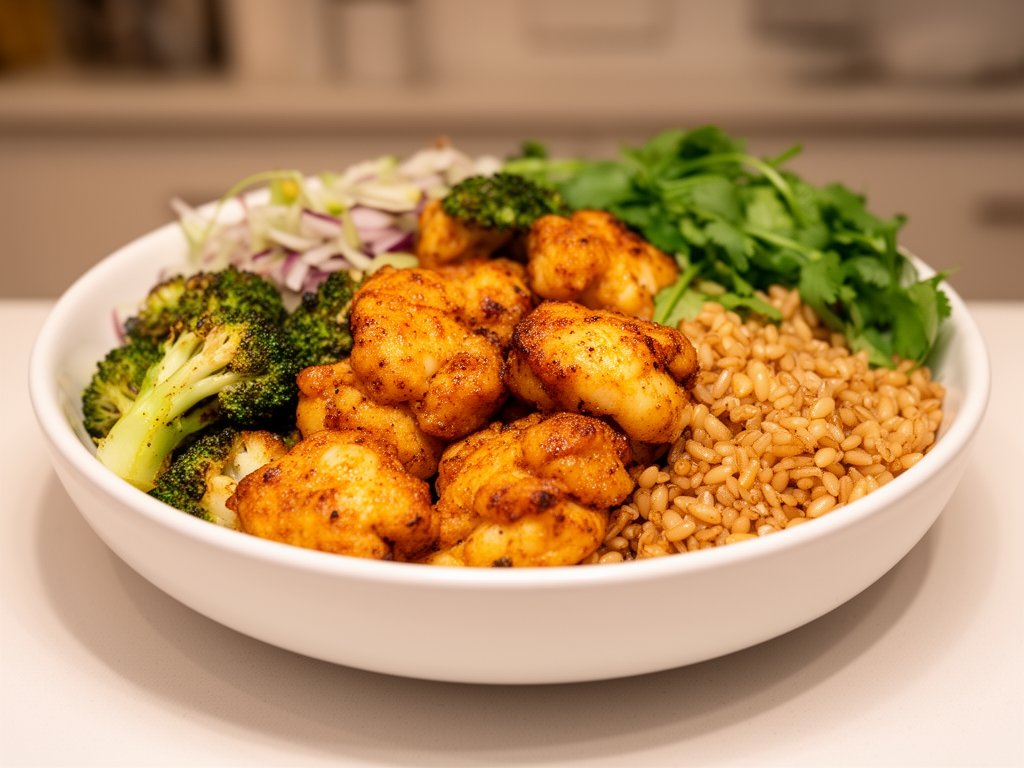
Proper storage is essential for maintaining the quality of buddha bowl ideas throughout the week. Store buddha bowl ideas components separately in airtight containers to prevent sogginess and maintain distinct flavors. Grains keep for 5-7 days refrigerated, while cooked proteins last 4-5 days and fresh vegetables remain crisp for 3-5 days. This component-based storage approach ensures your buddha bowl ideas taste fresh every time you assemble them, whether you’re eating them the next day or later in the week.
Raw vegetables like avocado should be stored separately from other buddha bowl ideas components, added only at mealtime to prevent browning and oxidation. Dressing keeps for up to one week refrigerated and can be made in larger batches to simplify buddha bowl ideas preparation throughout the month. Keep dressing separate from grains and vegetables until serving time, preventing your buddha bowl ideas from becoming soggy or waterlogged. This separation strategy is crucial for maintaining the quality of prepared buddha bowl ideas.
Reheating buddha bowl ideas depends on which components you want warm versus cold. Grains and proteins reheat beautifully in the microwave, taking just 1-2 minutes to warm through. Alternatively, reheat buddha bowl ideas components in a skillet over medium heat for 3-4 minutes, stirring occasionally for even warming. Leave fresh vegetables and avocado cold, adding them to your bowl after reheating other components. This selective reheating approach allows you to enjoy buddha bowl ideas exactly how you prefer them, whether warm or cold.
Freezer storage of buddha bowl ideas is possible but requires careful consideration. Cooked grains and proteins freeze well for up to three months, while fresh vegetables don’t freeze well due to texture changes. Freeze buddha bowl ideas components in individual portions for convenient future meals, but plan to add fresh vegetables and dressing after thawing. This freezer-friendly approach to buddha bowl ideas provides backup meals for unexpectedly busy weeks when fresh preparation isn’t possible.
Food safety is paramount when storing buddha bowl ideas containing proteins and cooked vegetables. Never leave prepared buddha bowl ideas at room temperature for more than two hours, and refrigerate immediately after assembly if not eating right away. Discard buddha bowl ideas components that show signs of spoilage—off odors, slimy texture, or unusual colors—rather than risk foodborne illness. Proper storage and food safety practices ensure your buddha bowl ideas remain safe and delicious throughout the week.
Conclusion
Buddha bowl ideas have transformed the way modern cooks approach meal preparation and healthy eating. These versatile, customizable meals combine nutrition, convenience, and exceptional flavor in one beautiful package. Whether you’re preparing buddha bowl ideas for yourself or feeding a family, the flexible formula adapts to any ingredient preference, dietary need, or seasonal availability. The joy of buddha bowl ideas lies not just in eating them but in the creative process of building something nourishing and delicious.
Your journey with buddha bowl ideas is just beginning, with countless flavor combinations and variations waiting to be discovered. Start with the foundational recipe and techniques provided here, then experiment with your favorite ingredients and seasonal produce. Share your buddha bowl ideas creations with friends and family, inspiring others to embrace this nutritious, enjoyable approach to meal preparation. The world of buddha bowl ideas offers endless possibilities for creating meals you’ll genuinely look forward to eating every single day.
FAQs About Buddha Bowl Ideas
Can I prepare buddha bowl ideas completely in advance?
Yes, you can prepare buddha bowl ideas components separately up to four days in advance. Store grains, cooked proteins, and roasted vegetables in separate airtight containers. Keep fresh vegetables in their own containers and store dressing separately. Assemble buddha bowl ideas only when ready to eat, adding fresh components like avocado and greens just before serving. This approach maintains optimal texture and flavor in your buddha bowl ideas while allowing convenient meal prep.
What’s the best way to transport buddha bowl ideas for lunch?
Pack buddha bowl ideas components in separate containers, keeping dressing in a small container or jar. Transport grains and proteins together, vegetables in another container, and fresh components separately. Assemble buddha bowl ideas at lunchtime for maximum freshness and optimal texture. This transport method ensures your buddha bowl ideas taste restaurant-quality even when eaten away from home.
How long do prepared buddha bowl ideas last in the refrigerator?
Properly stored buddha bowl ideas components last 4-5 days refrigerated in airtight containers. Grains and proteins maintain quality longest, while fresh vegetables stay crisp for 3-5 days. Dressing keeps for up to one week. Assemble buddha bowl ideas fresh for best results, using older components first. This timeline helps you plan buddha bowl ideas batches efficiently.
Can I freeze buddha bowl ideas?
Freeze cooked grains and proteins for up to three months in airtight freezer containers. Don’t freeze fresh vegetables or avocado, as they become mushy when thawed. Thaw frozen buddha bowl ideas components overnight in the refrigerator, then reheat before assembling. Add fresh vegetables and dressing after thawing for optimal buddha bowl ideas quality. This freezing method provides backup meals for busy weeks.
What proteins work best in buddha bowl ideas?
Chickpeas, lentils, tofu, tempeh, grilled chicken, fish, beef, and lamb all work wonderfully in buddha bowl ideas. Choose proteins based on dietary preferences and nutritional goals. Cooked legumes provide plant-based protein and fiber, while grilled meats offer complete amino acids. Experiment with different proteins to keep your buddha bowl ideas interesting and varied.
How do I make buddha bowl ideas more filling?
Increase grain portions, add more protein, include healthy fats like nuts and avocado, and ensure adequate fiber from vegetables. A properly balanced buddha bowl ideas with all components in appropriate portions should be quite satisfying. If you find your buddha bowl ideas lacking satiety, evaluate whether you’re including sufficient protein and healthy fats.
Can I make buddha bowl ideas without grains?
Absolutely! Create cauliflower rice buddha bowl ideas or use shredded vegetables as your base instead. Buddha bowl ideas work beautifully with any base that provides substance and nutrition. Experiment with different bases to find what works best for your preferences and dietary needs.
What’s the difference between buddha bowl ideas and other grain bowls?
Buddha bowl ideas specifically emphasize balance, whole foods, and plant-based components, though they can include any protein. Other grain bowls might focus on specific cuisines or ingredients. Buddha bowl ideas represent a philosophy of balanced, nourishing meals rather than a strict recipe format.
How do I prevent buddha bowl ideas from becoming boring?
Rotate vegetables seasonally, experiment with different grains and proteins, and try new dressing combinations regularly. Prepare buddha bowl ideas with intention, choosing complementary flavors and textures intentionally. The variety possible within buddha bowl ideas ensures you’ll never get bored if you approach them creatively.
Are buddha bowl ideas suitable for meal prep?
Buddha bowl ideas are ideal for meal prep when you store components separately and assemble fresh. Prepare grains, proteins, and roasted vegetables in bulk, then assemble buddha bowl ideas fresh each day. This approach maximizes freshness and convenience while maintaining the quality that makes buddha bowl ideas so appealing.